Best Male Shoe Brands: A Job-by-Job Buying Guide
Skip the logo-chasing. This guide breaks down the best male shoe brands by use case, from dress shoes to trail boots, so every pair actually earns its spot.
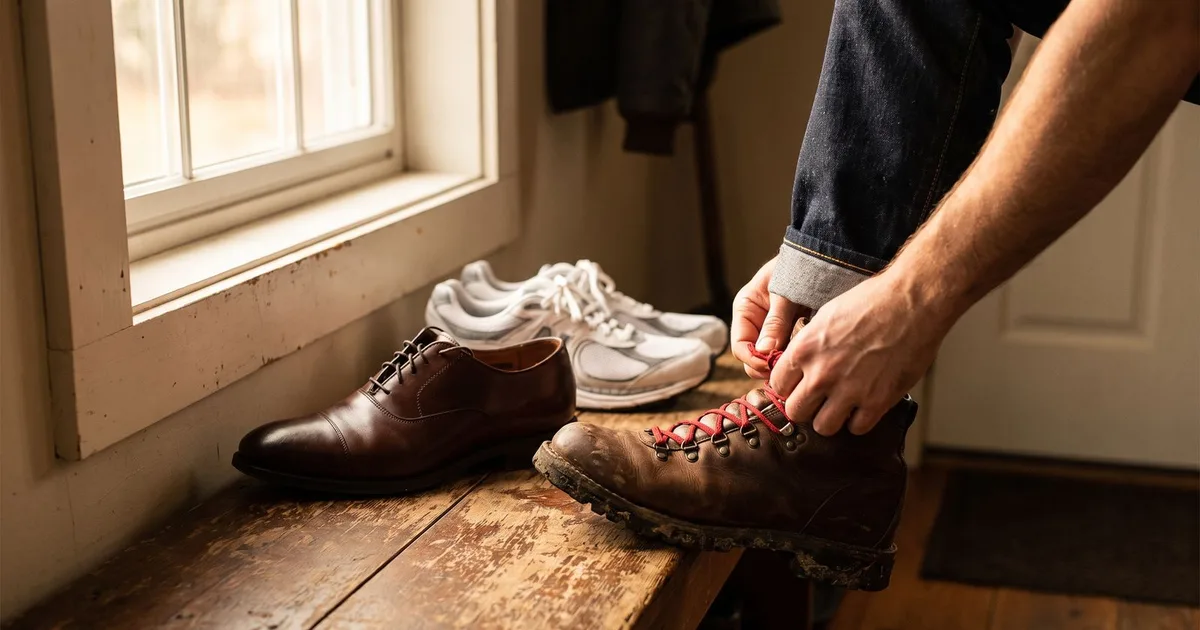
"Best shoe brand" is the wrong question. The best brand for a marathon is a poor choice for a boardroom, and the boot that carries you through a muddy day hike will feel absurd under a suit. What you actually want is a shortlist for each job you need a shoe to do. That's how this guide is built: a core of men's brands worth trusting, then dedicated picks for running, trails, all-day walking, and women's fit, each with a reason it earns the spot instead of a logo doing the talking.
How to judge a shoe brand before you judge a shoe
Three things separate a brand that lasts from one that markets well. Construction, because a resoleable welt outlives a glued sole by years. Fit consistency, because a brand that runs true to size saves you the return-shipping shuffle. And honest use-case design, because a shoe built for one thing rarely does a second thing well. Price is a signal, not a guarantee. Plenty of mid-tier brands out-comfort premium names, and a few expensive ones coast on reputation. Keep those filters in mind and most marketing noise falls away.
The core men's brands
Start with the brands that cover the everyday jobs: a dress shoe, a casual sneaker, a boot you can beat up. These are the names a well-rounded closet keeps coming back to.
Dress: Allen Edmonds
If you need one pair of shoes that reads serious in a meeting, this is the category to spend on. Allen Edmonds is a Wisconsin maker founded in 1922, known for Goodyear-welt construction across much of its men's dress line. The welt matters more than the shine. It means the upper, insole, and sole are stitched together rather than cemented, so a cobbler can replace a worn sole and give the shoe a second decade. A cap-toe oxford in a dark brown or black covers weddings, interviews, and funerals without a second thought. Fit tends to run slightly narrow, so if you're between widths, size toward the wider one.
Casual sneakers: Adidas and Nike
For the shoe you actually live in, two names still set the standard. Adidas was founded in 1949 by Adi Dassler in Herzogenaurach, Germany, after he split from the company he'd run with his brother Rudolf. Its low-profile court silhouettes go with jeans as easily as shorts. Nike earns its place on the strength of one idea that refused to age: the Air Max line, with its visible Air-Sole cushioning unit, launched in 1987 with the Air Max 1 designed by Tinker Hatfield. Nearly four decades later, that squishy underfoot feel is still why people buy them. Both brands run close to true to size, though Nike often feels a touch snugger in the toe box than Adidas.
Boots: Red Wing and Dr. Martens
A boot is where heritage brands earn real loyalty. Red Wing was founded in 1905 in Red Wing, Minnesota, originally supplying work boots to loggers, miners, and farmers, and that DNA shows in leather thick enough to look better scuffed than new. For something with more attitude and less break-in patience, Dr. Martens released its eight-eyelet 1460 boot, with an air-cushioned sole, on 1 April 1960. Both demand a proper break-in period. Wear them an hour a day for the first week and your heels will thank you.
The everyday classic: Clarks
One shoe bridges casual and smart better than almost anything else in the men's world. Clarks launched its Desert Boot, a suede chukka on a crepe sole, in 1950, and it's been a signature silhouette ever since. The crepe sole is soft and quiet, the suede pairs with chinos or dark denim, and the low price relative to its longevity makes it one of the smartest budget-conscious buys here. It's the answer when you want to look put-together without committing to full dress shoes.
Best brands for running
Running is where fit and cushioning stop being cosmetic and start affecting your knees. This is not the category to buy on looks.
Brooks is the specialist's pick for a reason. In 2001 the company narrowed its focus to run and walk footwear and apparel exclusively, dropping every other product category it had made. That single-mindedness shows in shoes built around gait and stability rather than trend. New Balance is the other name to know, and its history explains why: founded in 1906, it built its early reputation on arch-support inserts before it ever made athletic shoes. Runners with high arches or wide feet tend to find their fit first there, partly because the brand offers genuine width options rather than one shape for everyone. Nike rounds out the group for tempo work and race-day cushioning.
A note on fit for running specifically: size up about half a size from your everyday shoe. Feet swell over distance, and a thumbnail of space in front of your longest toe prevents black toenails on long runs. Brooks and New Balance both run close to true to size before that adjustment. Nike often runs a hair short, so the half-size bump matters more there.
Trail running versus hiking: know which you need
People shopping for the outdoors often can't tell three overlapping categories apart, and buying the wrong one leads to sore feet or a rolled ankle. Here's the short version.
Trail running shoes are lightweight, flexible, and low-cut, with aggressive tread. Built for moving fast on paths, they're ideal for runners and fast-and-light day hikers carrying almost nothing.
Hiking shoes are the middle ground: low-cut like a trail runner but stiffer underfoot, with more protection. A strong pick for day hikes on uneven ground when you're carrying a light pack.
Hiking boots rise above the ankle and add support and stiffness for heavy loads and rough terrain. This is what you want for multi-day treks or anything with a full backpack.
For trail running and lightweight hikes, Salomon leads. The brand was founded in 1947 in Annecy, France, making ski equipment before it moved into hiking and trail-running footwear, and that Alpine background shows in grippy, precise-fitting shoes made for technical ground. For hiking shoes and boots, Merrell is the natural first stop. It started in Vermont in 1981 built around hiking boots before broadening into a full outdoor lineup), and it still makes some of the most comfortable out-of-the-box trail footwear you can buy.
One component to look for across all three categories: a Vibram outsole. It's the rubber compound many serious outdoor brands use for grip and durability, and seeing that name on the sole is a reliable sign the shoe was built to be walked hard, not just sold in a lifestyle photo. Trail and hiking shoes generally run true to size, but leave room for thicker hiking socks.
Try before you buy
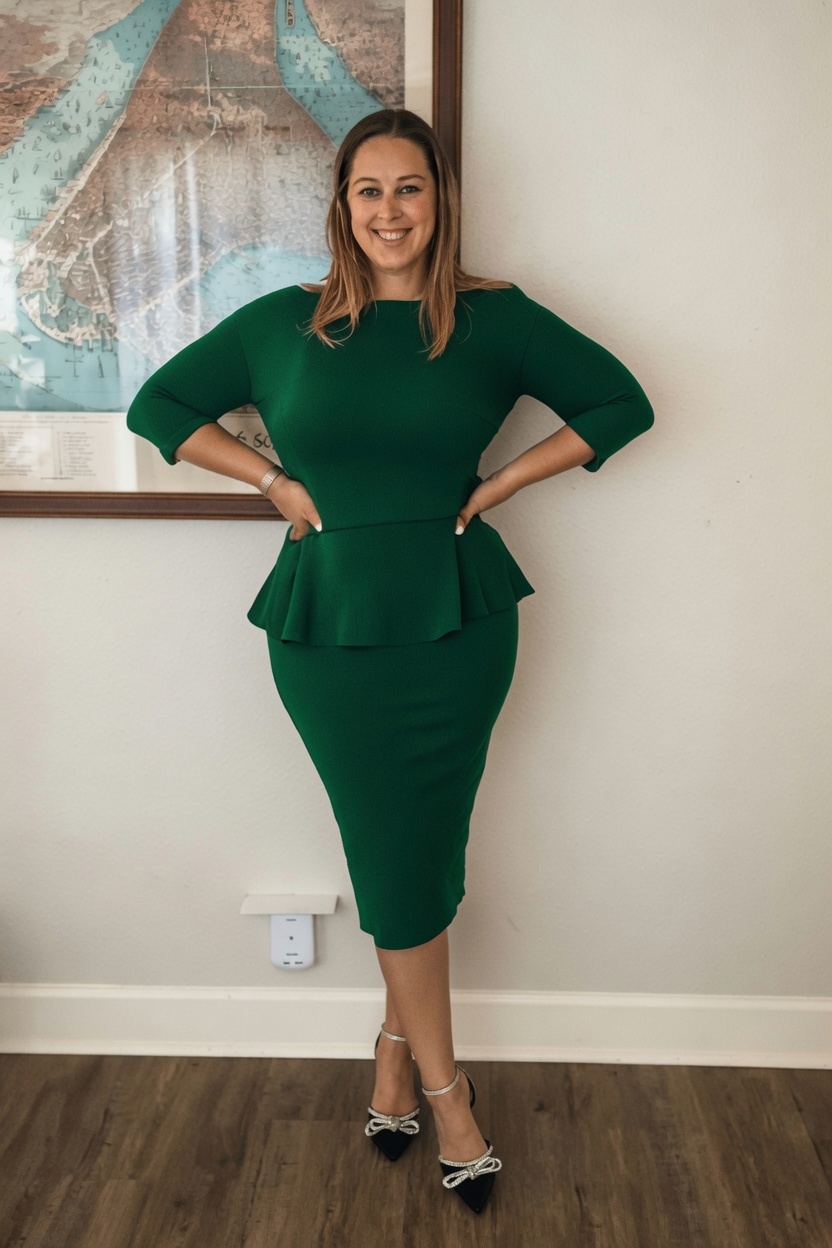
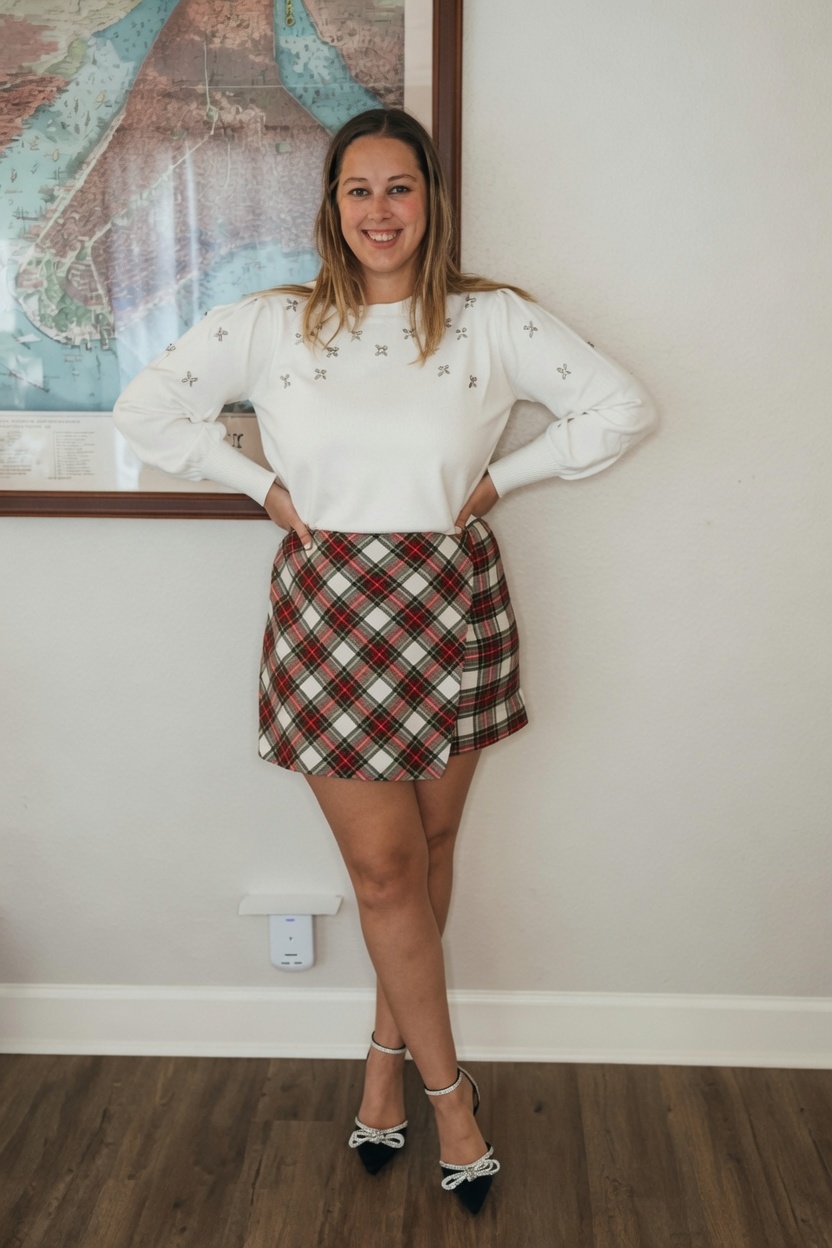
Try on outfits, accessories and more on yourself in seconds — and save money and time on returns.
Try it onBest brands for all-day walking
Walking shoes get overlooked because they're neither athletic nor dressy, but if you're on your feet through airports, city sightseeing, or a long shift, they matter more than either. The priorities shift toward cushioning, arch support, and a sole that absorbs pavement rather than fights it.
Brooks belongs here as much as in the running section, since its 2001 pivot covered walking explicitly, not just running. New Balance is the other heavyweight, and this is where its arch-support roots pay off directly. For anyone with flat feet or plantar issues, the built-in structure and width range make it one of the few big brands that doubles as near-orthopedic comfort footwear without looking clinical. If you need genuine orthotic support, look for a brand with a removable footbed so you can drop in your own insole. Both of these offer that.
Clarks deserves a second mention here too. Its crepe-soled casuals are quietly excellent walking shoes for days that don't call for sneakers, which is why the Desert Boot keeps showing up on feet decades after it launched.
Best shoe brands for women
The most useful question in women's footwear isn't which brand is trendiest. It's which brands design on a true women's last instead of shrinking a men's mold and calling it done. A resized men's shoe tends to be too wide in the heel and wrong through the arch, and that mismatch is behind a lot of the fit complaints in women's shoe shopping.
Several brands already in this guide do the women's-specific work properly. Brooks, New Balance, Salomon, and Merrell all build women's models on women's lasts, with narrower heels and adjusted volume rather than a straight downsize. That's why they show up on both men's and women's shortlists: the engineering behind them scales to different feet instead of assuming one shape. For dress and casual women's styles, Clarks and Dr. Martens run their own women's fits as well, and the 1460 boot has as much of a following among women as men.
The practical takeaway for women shopping any brand: check whether the model is offered in women's sizing specifically, or only as a unisex run. Unisex almost always means a men's last, and that's where the arch and heel problems start. When in doubt, a brand with a dedicated women's line and multiple width options is the safer bet.
Getting the size right, whatever the brand
Fit inconsistency across brands is the single biggest frustration in shoe buying, and there's no universal fix. What helps is knowing the tendencies. Dress brands like Allen Edmonds often run narrow. Athletic brands vary: Nike leans short, Adidas and New Balance sit closer to true. Boots from Red Wing and Dr. Martens need break-in and can feel tight before they mold to your foot. And any shoe for running or hiking should leave a thumbnail of space up front.
The other honest truth: price and quality aren't the same axis. A welted dress shoe genuinely lasts longer than a glued one, so there the spend is justified. But a mid-priced running or walking shoe from a brand that focuses on one thing often out-fits a premium fashion label that treats footwear as an afterthought. Buy for the job, check the width options, and read the return policy before you fall for the marketing.
Once you've narrowed the list, the fastest way to avoid a return is to see the shoe on yourself first. You can try sneakers, boots, and dress shoes on virtually to compare silhouettes side by side, run a few free try-ons before you commit to a brand, and then browse and buy the styles that fit your use-case once you know what you're after. Pick the shoe for the job, get the size honest, and the brand debate mostly takes care of itself.

Tobias Scharl
Further reading
Best Men's Clothing Brands: What to Buy Where
Skip the fifty-brand lists. Here's exactly which men's clothing brands are worth your money for basics, denim, tailoring, outerwear, and workwear.
How to Build a Capsule Wardrobe on Amazon
Build a capsule wardrobe on Amazon without the return-label pile-up. Here's what to buy, how many pieces you actually need, and how to avoid fit gambles.