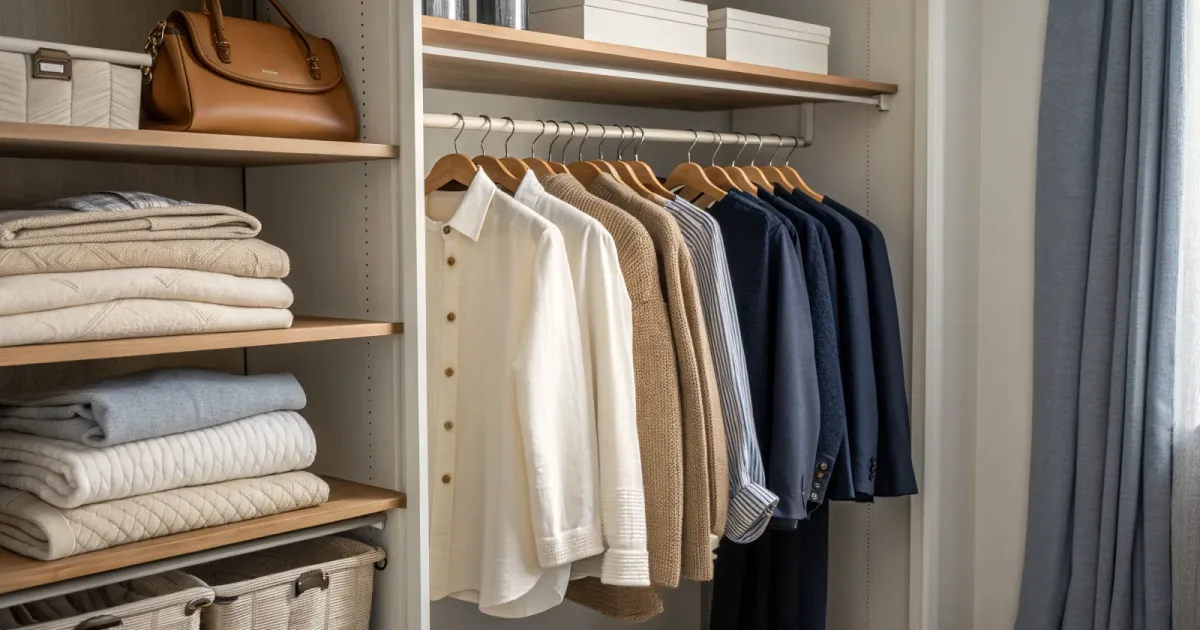
Best Men's Clothing Brands: What to Buy Where
Skip the fifty-brand lists. Here's exactly which men's clothing brands are worth your money for basics, denim, tailoring, outerwear, and workwear.
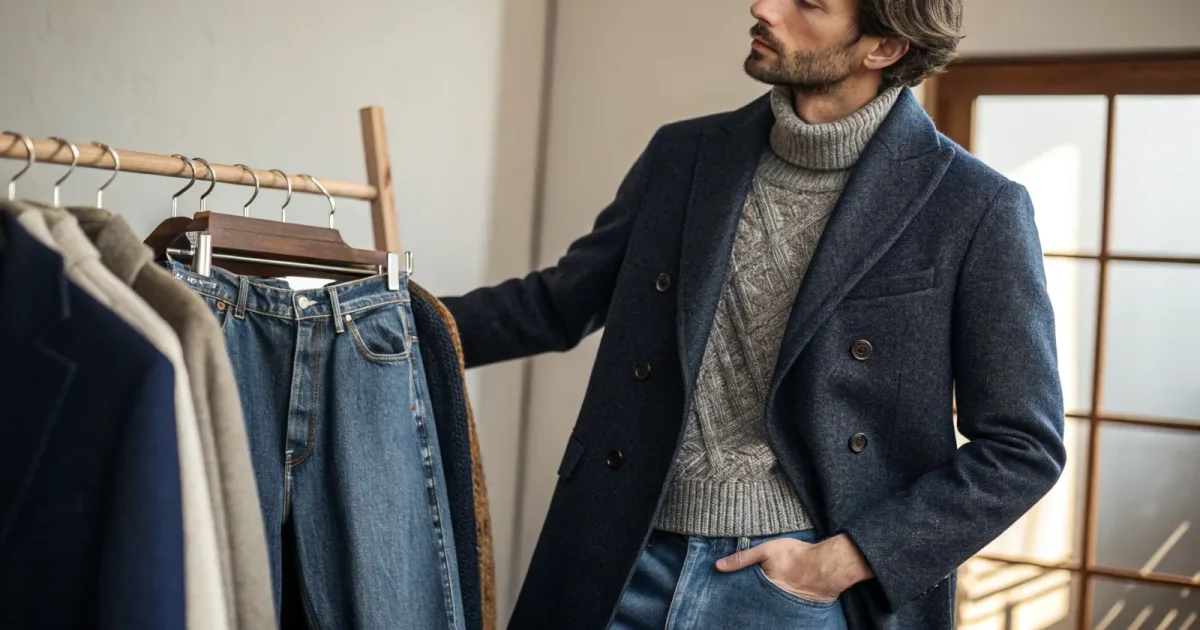
You don't need a list of fifty brands. You need to know which handful is worth your money for the specific thing you're buying, whether that's a white T-shirt you'll wear twice a week or a jacket you want to keep for a decade. This guide splits the answer two ways. First, the best men's clothing brands sorted by what you're actually shopping for: everyday basics, denim, tailoring, and outerwear. Then a separate section on workwear, because a Carhartt jacket and a J.Crew blazer solve completely different problems and lumping them together helps nobody.
A quick word on fit before we start. The most common complaint in menswear threads isn't price. It's that a medium in one brand fits like a large in another, and that guys who are tall, broad, or built through the shoulders get burned by sizing charts written for an average that doesn't describe them. Keep that in mind as you read. A great brand that doesn't fit your frame is not a great brand for you.
Everyday basics: the brands you'll wear most
Basics are where cost-per-wear math works hardest in your favor. These are the tees, oxford shirts, chinos, and knits that carry the rest of your closet, so consistency matters more than novelty.
Uniqlo is the default answer for a reason. The fit runs clean and slightly slim, the price is low enough that replacing a worn-out crewneck doesn't sting, and the Supima cotton tees and merino knits punch well above what you pay. It's the easiest place to build a capsule wardrobe, meaning a small set of neutral pieces that all work together, without overthinking it.
J.Crew sits a tier up and covers the preppy, put-together end of everyday clothes: oxford-cloth button-downs, chinos, and the kind of relaxed knitwear that reads as effort-free. It's also a decent on-ramp to the old money look, that quiet, unlogo'd style built on good cotton and muted color rather than anything flashy. Where Uniqlo is about volume and value, J.Crew is about finish.
Ralph Lauren is the aspirational version of the same idea. The label started narrow in 1967, with a line of neckties sold under the Polo name before it grew into full menswear collections, according to the brand's company history). That heritage still shows in the polos, rugby shirts, and knit blazers. You pay for the horse, but the classic pieces earn their keep.
Denim: where the whole category started
Every brand on this page owes something to a pair of work trousers. Levi Strauss & Co. and Jacob Davis were granted U.S. Patent No. 139,121 on May 20, 1873, for reinforcing the stress points of work pants with copper rivets, per the company's record. That rivet is why your jeans don't blow out at the pocket corners. The 501 is still the reference point for straight-leg denim, and if you're unsure where to start with raw or dry denim, Levi's is the safe first purchase.
Wrangler is the other American mainstay, cut with a more generous seat and thigh that suits guys with athletic or broader legs better than a slim Levi's ever will. The denim twill is honest and the price stays reasonable. If Levi's runs tight through the thigh on you, this is the first alternative to try before spending more.
For denim, buy for the raw measurements, not the tag size. A 32 waist means different things across these two brands, and denim twill shrinks and molds to you over the first few washes, so a jean that feels snug out of the box often settles into the right fit.
Tailoring: suits, blazers, and the good shirt
When you need to look sharp, the brands change. Brooks Brothers is the anchor here. Founded in New York City in 1818, it's frequently cited as the oldest men's clothing retailer in continuous operation in the United States, as noted in its company history. The house style is classic American tailoring: natural shoulders, room to move, nothing trend-chasing. A navy Brooks Brothers blazer is about as safe an investment as menswear offers.
Ralph Lauren belongs in this conversation too, especially for the softer, less corporate end of tailoring. And if your budget for a first proper suit is tighter, J.Crew's suiting is a reasonable middle ground that fits slimmer than the traditional cut. The rule with tailoring is simple. Buy the jacket that fits your shoulders, because the shoulders are the one thing a tailor can't easily fix, and get everything else altered.
Try before you buy
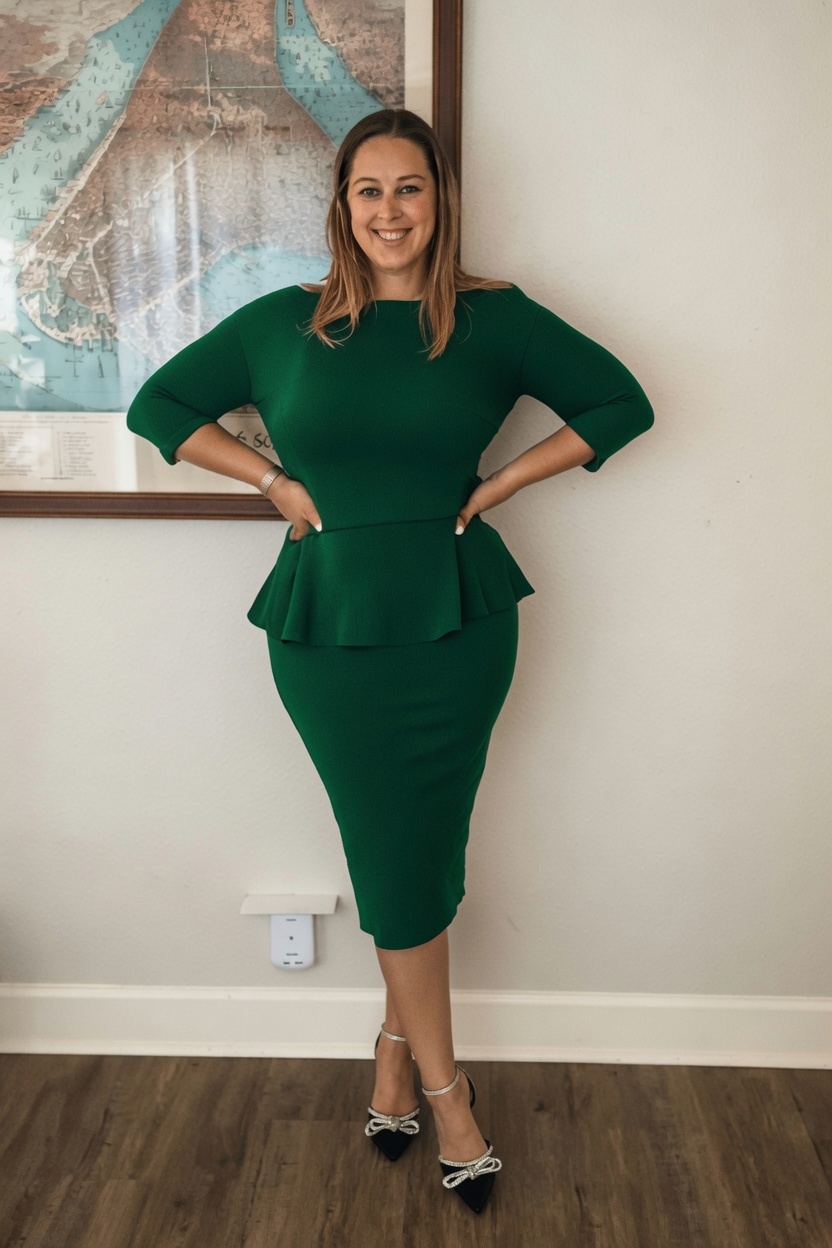
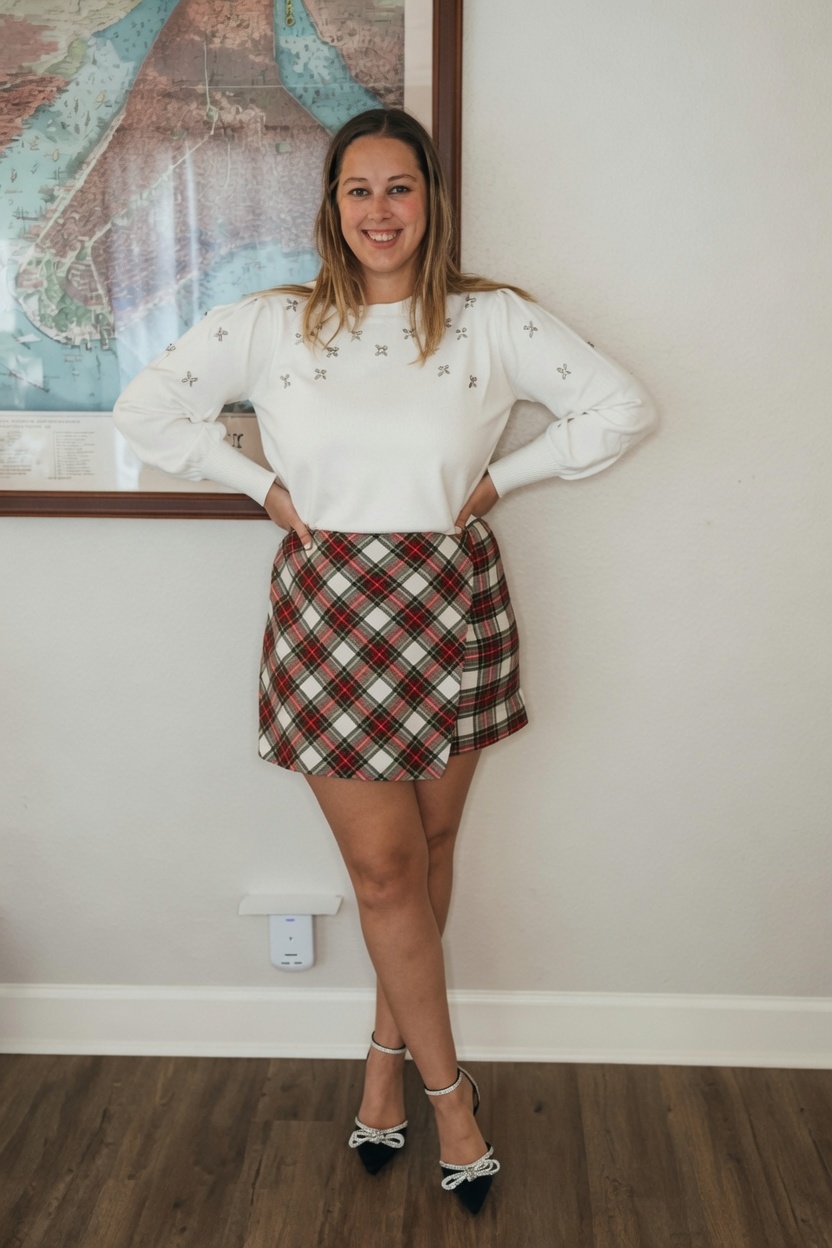
Try on outfits, accessories and more on yourself in seconds — and save money and time on returns.
Try it onThis is exactly where trying a piece on virtually earns its keep. Sizing charts don't tell you how a slim blazer sits across a broad chest or whether a boxy chore coat swamps a shorter frame. Seeing the garment on a body shaped like yours settles the question a size label can't.
Outerwear: the layer you'll judge everything by
Outerwear is worth spending on because it's the piece people see first and the one that takes the most weather. Patagonia leads the technical, do-everything end. Fleeces, shells, and insulated jackets built to last and backed by a repair-first attitude that keeps them out of the landfill. If you want one jacket that handles a commute, a trail, and a cold platform, start here.
Filson occupies the heritage end. Waxed cotton, heavy twills, and bags and coats built like they're meant to be handed down. It's expensive, and this is the classic cost-per-wear argument in action: a Filson jacket you keep for fifteen years is cheaper per wear than three cheap ones you bin. Timberland rounds out the category on the footwear side. Its first waterproof leather boot, introduced in 1973, used an injection-molding process that bonded the sole to the upper without stitching, according to the brand's history). That construction is why the boots shrugged off wet weather, and why the silhouette outlived its work origins to become a streetwear staple.
Workwear brands: the real thing versus the look
Here's where guides usually go wrong. "Workwear" means two different things. There's clothing built and rated to keep you safe and intact on a job site, and there's the workwear-inspired aesthetic, meaning chore coats, boilersuits, and duck-canvas jackets worn because they look good. Both are fine. But if you need the first and buy the second, you'll find out the hard way that a fashion chore coat isn't rated for anything.
Carhartt is the name most people reach for. Founded in Detroit in 1889 by Hamilton Carhartt, it started out making bib overalls for railroad workers, per the company history. The signature is duck canvas, a tightly woven cotton that resists abrasion and stiffens into armor before it breaks in. The trade-off, and the thing forum threads warn about, is that Carhartt runs boxy and roomy by design so you can move and layer under it. If you want it to look sharp rather than working, size down or expect a relaxed fit.
Dickies is the other pillar. Established in Fort Worth, Texas, in 1922 as the Williamson-Dickie Manufacturing Company, it started with bib overalls for oilfield and manual labor workers, according to its company record. The 874 work pant is the icon: cheap, tough, and cut straight. Dickies runs leaner and less bulky than Carhartt, which is partly why it crossed over into everyday and skate wardrobes. Watch for shrinkage on the cotton pieces and buy accordingly.
For boots, Red Wing Shoe Company is the standard. Founded in Red Wing, Minnesota, in 1905 to supply boots to loggers, farmers, and miners, per its history, it built its reputation on resoleable leather boots that can be rebuilt rather than replaced. That's the entire cost-per-wear case in one product. A pair you recraft every few years outlasts a decade of disposable boots, which is exactly how people justify the upfront price.
If your job actually depends on the gear
Style aside, some workwear has to do a job. Two things to check before you trust a garment on site:
Flame resistance (FR). If you work around arc-flash, welding, or ignition sources, you need genuine FR-rated garments, not cotton duck that merely looks industrial. Carhartt and Dickies both make dedicated FR lines; the styled-for-fashion versions are not the same thing.
High-visibility rating. Hi-vis gear sold in the U.S. is commonly rated under the ANSI/ISEA 107 standard, which sets classes based on how much reflective and background material a garment carries for different job-site risk levels, as described in the standard's overview. A neon jacket without that rating is a fashion choice, not safety equipment.
If you just want the look, ignore all of that and buy the chore coat you like. Just know which one you're buying.
So which brands, by budget
If you want the short version segmented by what you're willing to spend, here it is.
Category | Affordable pick | Investment pick |
|---|---|---|
Everyday basics | Uniqlo | Ralph Lauren |
Denim | Wrangler | Levi's (raw/selvedge) |
Tailoring | J.Crew | Brooks Brothers |
Outerwear | Patagonia | Filson |
Workwear | Dickies | Carhartt / Red Wing boots |
None of these is the single "best" brand, because there isn't one. The best clothing brand for you is the one that fits your body, suits the job the clothes have to do, and lands in a price tier you can defend. A guy building a first work wardrobe and a guy replacing a worn-out blazer are shopping different lists, and both are right.
How to actually buy from here
Pick one category you need most and buy well there before spreading your money thin. If your basics are tired, Uniqlo and a couple of good tees will change more of your outfits than a single expensive jacket. If you're on your feet all day, a pair of Red Wings pays you back slowly and reliably.
Then handle fit deliberately. Read the raw measurements, not just the size letter, and check them against a garment you already own that fits well. Denim shrinks, duck canvas breaks in stiff, and boxy workwear is boxy on purpose. When you're between sizes or built outside the standard chart, seeing the piece on a frame like yours beats guessing, and it's a lot cheaper than a return label.