Fringe Texture Explained: In Hair and On Clothes
Fringe texture means different things on hair versus fashion pieces. Here's how to spot good texture in bangs and wear fringe on clothes without looking
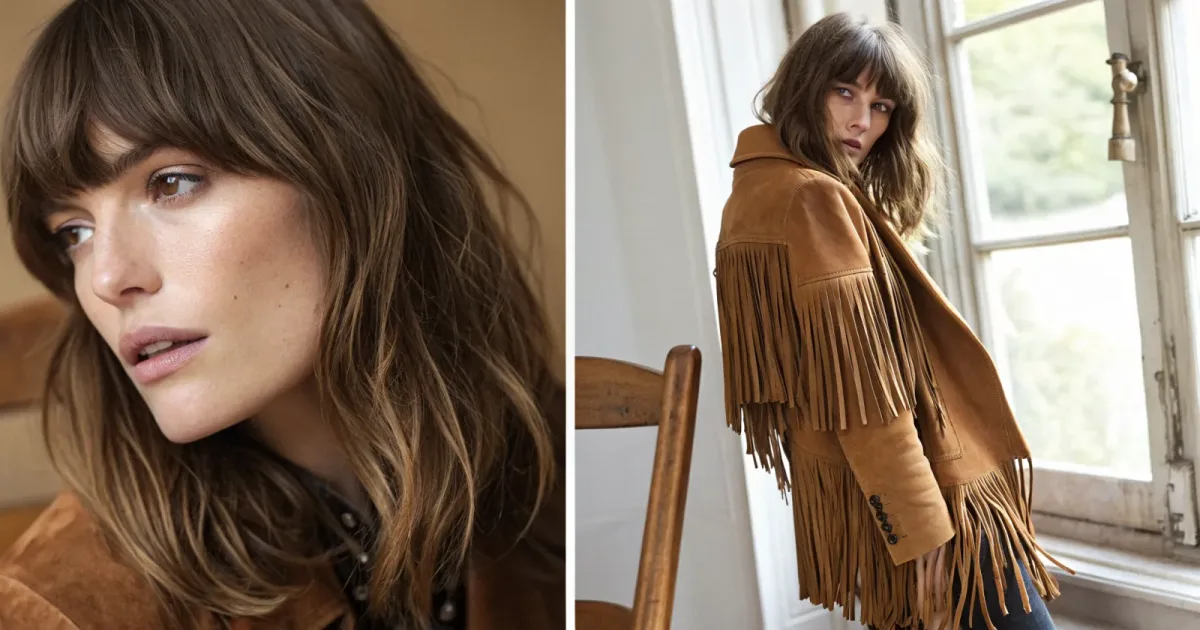
Type "fringe texture" into a search bar and you're really asking one of two questions. Either you want bangs that fall in soft, separated pieces instead of a blunt wall across your forehead, or you're looking at a jacket, a bag, or a pair of earrings and trying to figure out whether all those dangling strands will read as boho, western, or costume. Same word, two very different problems.
This piece sorts out both. The hair meaning gets a quick, honest treatment because we already go deep on it elsewhere. The garment side is where most people are underserved, so that's where we'll spend the real time: how fringe behaves as a texture on clothes and accessories, and how to wear it without looking like you raided a saloon.
Two meanings, sorted fast
Fringe as hair means the front section of your hair cut shorter and shaped to sit over the forehead. What people call "fringe texture" here is the difference between hair cut in one solid line and hair cut so the ends break up into strands, wisps, and points. Texture is what keeps a fringe from looking heavy or helmet-like.
Fringe as a garment texture means loose strands hanging from an edge or seam: leather strips down a sleeve, silky tassels along a hem, suede loops at the bottom of a bag. It moves when you move. That motion is the whole point, and it's also what makes some people nervous about it.
If you came for the haircut, the short version is below, and you can preview any of these cuts on your own face with our hairstyle try-on before you commit. If you came for the clothing, skip ahead. No judgment.
Fringe texture in hair: the cuts worth knowing
The reason texture matters on a fringe is simple. A blunt cut shows every flaw: a slightly uneven hairline, a cowlick, a forehead you'd rather not frame so hard. Breaking up the ends softens all of that and makes the fringe forgiving as it grows. Here are the three shapes people actually ask for.
Textured fringe
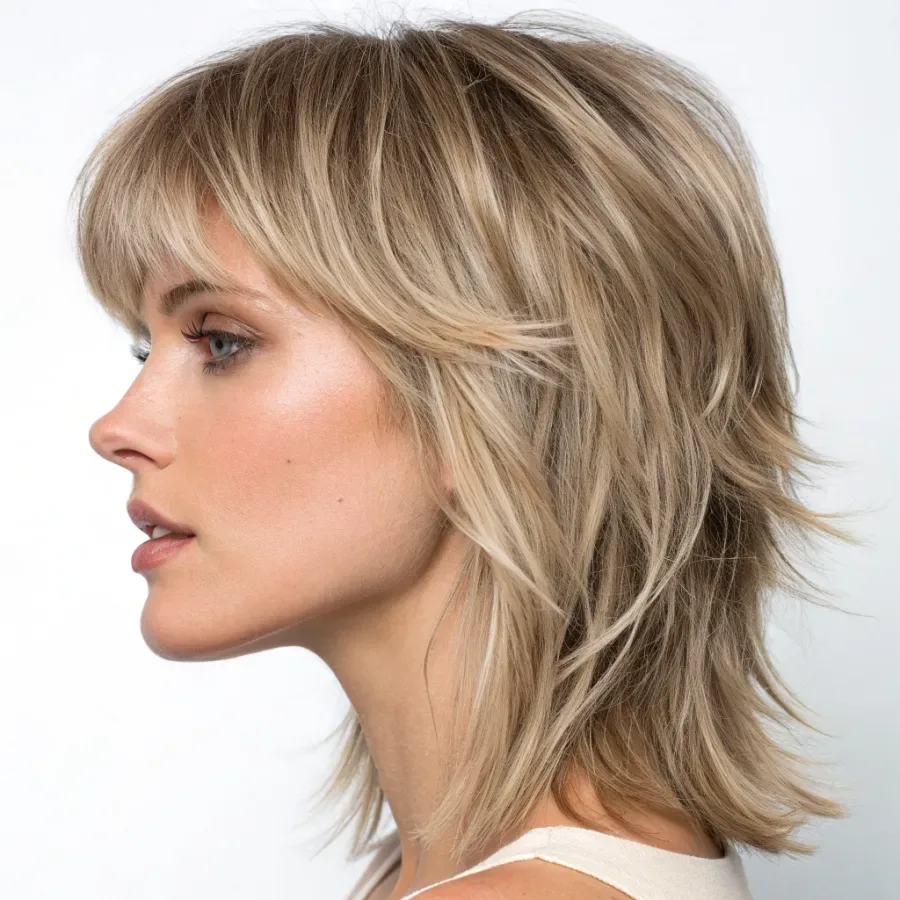
This is the baseline. The hair is cut so the ends are point-cut or razored rather than snipped straight across, which leaves gaps of light between the strands. It sits somewhere over the brows and looks best with a bit of separation, so it suits people who don't mind a small amount of daily styling. It's the most versatile of the group because you control how heavy or piecey it reads.
Curtain bangs
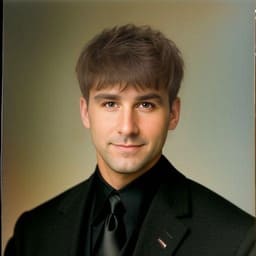
Curtain bangs part in the middle and sweep away toward each cheekbone, framing the face like, well, curtains. They're the low-maintenance choice: longer than a standard fringe, so there's no awkward stub stage, and they blend into the rest of your hair as they grow. If the word "fringe" makes you picture something high-commitment, this is the version that isn't.
Wispy fringe
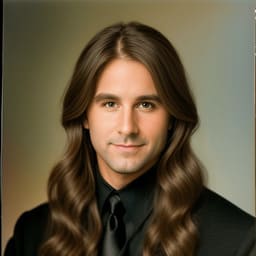
The lightest option. A wispy fringe uses very thin, feathered pieces so you can see skin through it. It reads delicate and a little undone, which is exactly why people like it, and it works well on finer hair that would look sparse in a heavier cut. The trade-off is that it needs the right hair density to hang correctly; too thick and the "wispy" effect disappears.
Which one suits you comes down to face shape, hairline, and how much time you'll actually spend on it in the morning. Rather than guess, put each shape on your own photo and see how it lands against your features. That's the fastest way to skip a haircut you'll regret.
Fringe texture in clothing: the underrated half
Now the part most articles ignore. On a garment, fringe is a texture the same way a cable knit or a pleat is a texture. It catches light, it adds volume, and it moves independently of your body. Get the material and the amount right and it looks considered. Get them wrong and it looks like a Halloween cowboy.
The trick is understanding that not all fringe behaves the same. The base material changes everything about how it hangs and how loud it reads.
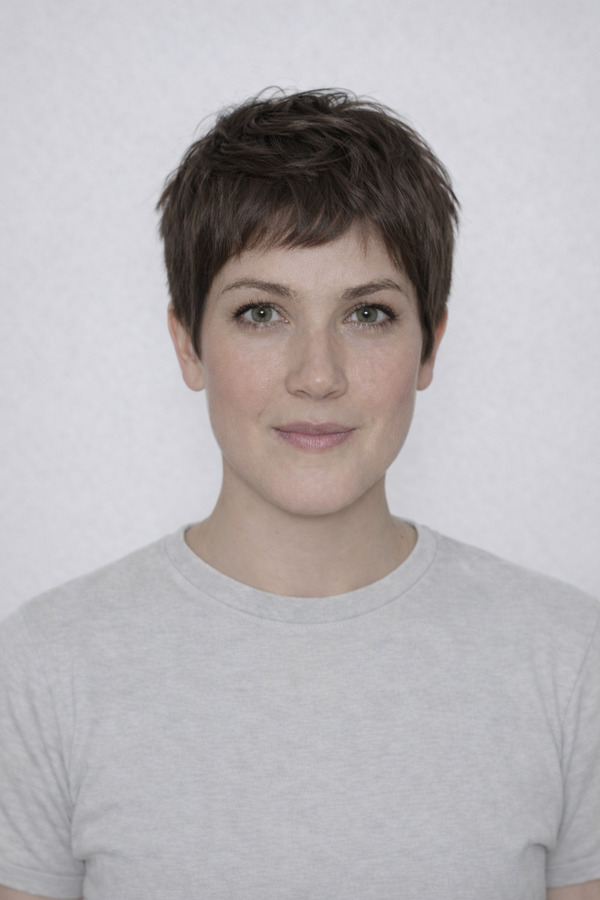
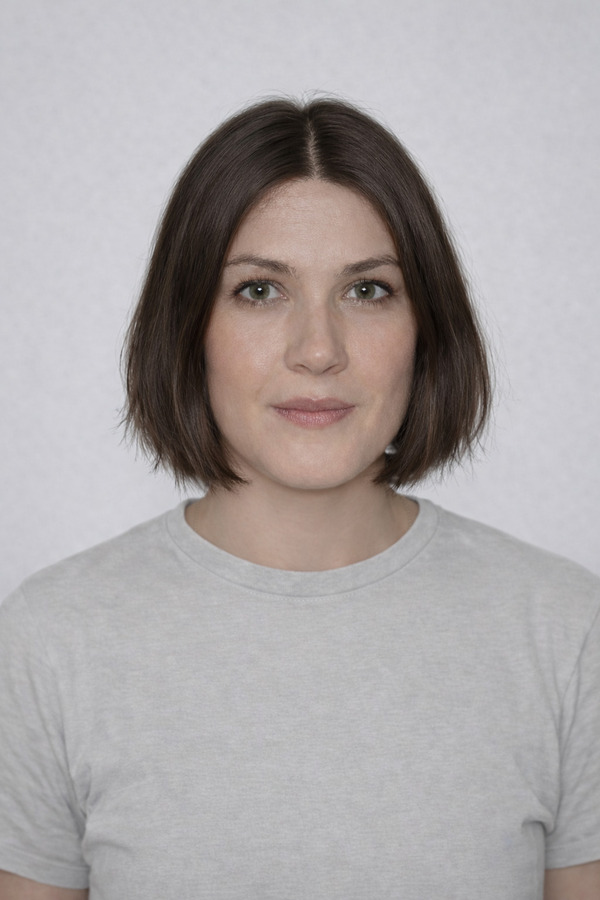
See any haircut on yourself
Upload one selfie and try on dozens of cuts and colours in seconds — before you commit at the salon.
Try a haircutSuede and leather fringe
Suede fringe has weight. The strands are thick and a little stiff, so they swing rather than flutter, and they hold their shape. This is the fringe you see on western jackets and boho vests, and it's the one that most clearly signals those references. A suede fringe crossbody or a vest with fringe across the yoke reads instantly as western-boho.
A leather fringe jacket is the boldest single item in this whole category. Long strands down the sleeves and back turn the jacket into the outfit, so everything under it should stay quiet. Plain tee, straight jeans, one pair of boots. Let the jacket move and don't compete with it.
If you're not sure whether a fringe jacket suits your build, this is exactly the kind of high-drama piece worth previewing before you buy. Our clothing try-on lets you see how the volume sits on your frame instead of trusting a model who is not shaped like you.
Tassel and woven trim
Tassel trim is fringe's dressier cousin. Instead of raw strips, you get bundled, often knotted strands finished at the top, the kind you find along the edge of a shawl, a kimono, or a summer dress. It's softer and more decorative than suede, and it leans festival and vacation rather than rodeo. Woven fringe, where the strands are the unfinished warp threads of the fabric itself, sits at the most subtle end. On a tweed jacket or a wrap skirt it barely registers as fringe at all, just a soft, frayed edge that keeps the piece from looking too formal.
Fringe earrings
Fringe earrings are the easiest way to test whether you like the texture at all. Long strands of chain, beads, or thread that sway when you turn your head, they add movement up near the face without asking you to commit to a whole jacket. They also do a lot of work on a plain outfit. A black dress and beaded fringe earrings is a complete look with almost no effort. If you're fringe-curious, start here.
Fringe hems
A fringe hem is fringe placed at the bottom edge of a skirt, dress, or jacket, and it changes how the whole silhouette reads. On a flapper-style dress the fringe hem moves with every step. On a modern skirt it can just be a frayed, unfinished edge that adds a little texture without any of the western baggage. Where the fringe sits on your leg matters as much as with any hemline, so check the length against your own proportions rather than the model's.
Boho versus western: same texture, different rules
Fringe lives in two style worlds, and knowing which one you're dressing for keeps the outfit coherent.
Western leans into suede and leather, earth tones, and structure. Think fringe on a jacket yoke, a suede skirt, or the side of a boot. It pairs with denim, tooled leather, and a strong belt.
Boho goes softer: tassel trim, thread and bead fringe, flowing fabrics, layered jewelry. It pairs with maxi dresses, kimonos, and sandals, and it reads warm-weather and relaxed.
The mistake is mixing the two heavily in one outfit. A stiff suede fringe vest over a floaty boho maxi fights itself. Pick a lane per outfit.
The other universal rule: one fringe piece per outfit. Fringe is a statement texture, and two statements cancel each other out. Fringe jacket with a plain everything else. Or fringe earrings with a clean dress. Not both at once.
How to choose the fringe that suits you
Whether it's bangs or a jacket, the same logic applies: fringe adds visual weight and movement wherever you put it, so put it where you want the eye to go.
Decide how loud you want to be. Earrings and a wispy fringe haircut are quiet. A leather fringe jacket and a full curtain of hem fringe are loud. Match that to the occasion.
Check the material against the mood. Suede reads western, tassels read boho, woven frayed edges read casual and understated.
Mind the placement on your body. Fringe at the hip widens the hip; fringe at the hem draws the eye down; a fringe that ends at your bust brings attention up. Same for hair, where a fringe frames whatever it sits above.
Keep the rest simple. Fringe needs negative space around it to look intentional. Crowd it and it turns to noise.
This is the honest case for trying things on before you buy or book the cut. Fringe is a texture you have to see in motion and in proportion to your own body, and a flat product photo tells you almost nothing about either. Preview a fringe haircut on your own face or a fringe jacket on your own frame first, then decide.
Living with fringe
A little upkeep keeps fringe looking deliberate rather than tired. For hair, a textured fringe grows into your eyes within weeks, so plan on regular trims or learn to sweep it to the side while it grows out. Curtain bangs are the most forgiving through that stage; a blunt-heavy fringe is the least.
For clothing, leather and suede fringe can tangle and crease if you stuff the piece into a drawer. Hang fringe jackets and shawls so the strands fall straight. If suede fringe kinks, a light steam and a gentle finger-comb settles it. Beaded and thread tassel trim knots easily, so store those pieces flat and separated from anything with hooks or zips.
Two meanings, one texture, and the same underlying idea in both. Fringe works when it moves freely and when nothing around it is trying to do the same job. Give it room, pick your material for the mood you want, and see it on yourself before you commit. That last step is the difference between a piece you wear constantly and one that lives at the back of the closet.

Tobias Scharl
Further reading
Sunglasses Styles for Round Faces That Add Definition
Find the sunglasses styles for round faces that add angles, lengthen features, and skip the frames that make cheeks look fuller than they are.
What to Wear to a Funeral: A No-Stress Guide
Not sure what to wear to a funeral? Here's how to choose respectful, appropriate clothing fast, from suits and dresses to shoes and tricky edge cases.