What to Wear to a Funeral: A No-Stress Guide
Not sure what to wear to a funeral? Here's how to choose respectful, appropriate clothing fast, from suits and dresses to shoes and tricky edge cases.
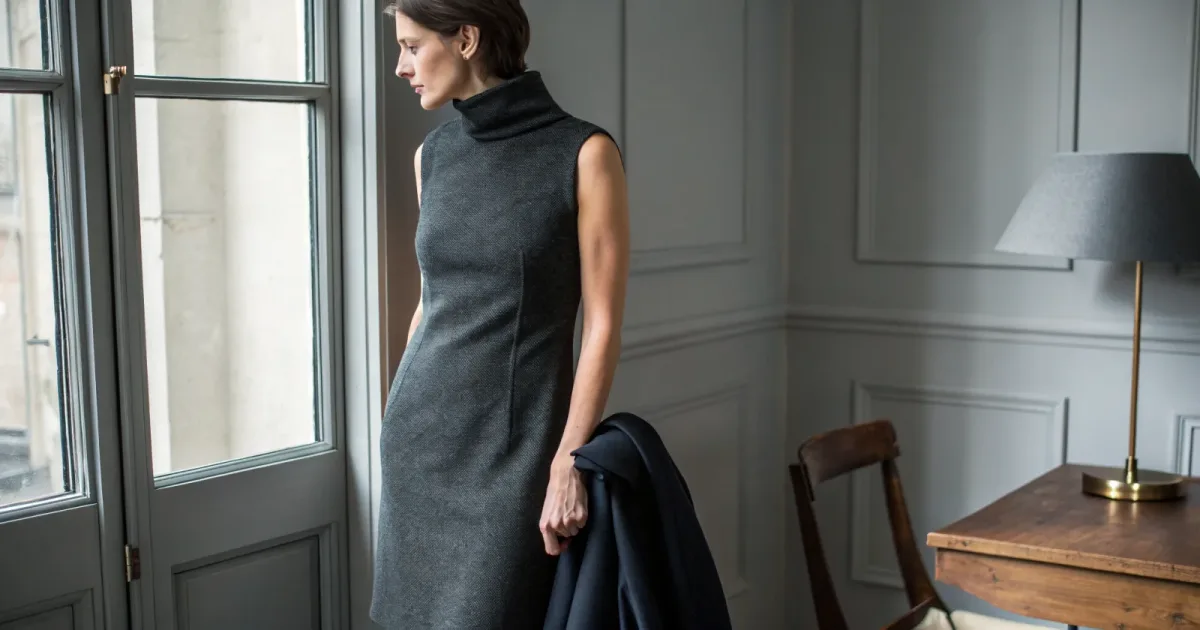
You just found out about a service, it's soon, and you're standing in front of your closet wondering what's safe to wear. Here's the short version: dark, plain, and covered up. A black or charcoal suit, or a modest dark dress, works almost everywhere. The rest of this guide handles the harder cases, when black isn't expected, when the culture or religion has its own rules, and when you own exactly one appropriate outfit and need it to work.
The fast answer
If you have ten minutes before you need to leave, aim for clothing that doesn't draw attention. Muted color, clean lines, nothing you'd wear to a party. Black is the default in most Western funerals, but it is not a strict rule. Charcoal, navy, and deep gray all read as respectful. What matters more than the exact color is that the outfit is subdued and neat.
Do wear dark, solid colors and cover your shoulders and knees.
Do choose closed, quiet shoes you can stand and walk in.
Don't wear jeans, sneakers, athletic wear, or anything with a loud logo.
Don't wear bright prints, sequins, or anything that reads as festive.
Don't show up in beachwear, shorts, or a bare-shouldered sundress.
On the recurring worry about specific items: open-toe shoes are usually fine if they're plain and dark. A patterned dress is fine if the pattern is small and the palette is dark. Jeans and sneakers are the two items people most often get wrong. Skip both unless the family has explicitly said the event is casual.
Why black? A short history that explains the rule
The habit of wearing black to funerals is more recent and more specific than most people assume. It hardened into a Western convention in the 19th century, when Queen Victoria wore black mourning dress for the rest of her life after Prince Albert died in 1861. Her example set the tone for a generation.
Victorian etiquette was stricter than anything you'll face now. It split grief into stages: full mourning meant solid black with no ornamentation, and a later half-mourning period allowed muted colors like gray, mauve, and lavender to creep back in. You don't need to observe any of that. But it explains why dark-but-not-black still reads as correct to most eyes. Those half-mourning shades are exactly the grays and soft purples that feel appropriate today when you don't own head-to-toe black.
For men
A dark suit is the whole answer. Charcoal or navy if you don't own black, with a white or pale shirt and a plain dark tie. No suit? A dark blazer with dark trousers and a collared shirt will pass at nearly any service. Keep the tie muted or skip it if the event leans casual.
Shoes should be closed leather in black or brown, cleaned the night before. Leave the statement watch and the bright pocket square at home. The goal is to look like you made an effort and then stepped back out of the frame.
For women
A dark dress, a dark suit, or dark separates all work. Hemlines around or below the knee, sleeves or a covered shoulder, and a neckline that stays modest. This is the moment the little black dress does exactly the job it was built for. That silhouette traces back to Coco Chanel's short black dress from 1926, which American Vogue nicknamed 'Chanel's Ford' for how universal it was meant to be. Plain, dark, and simple: a funeral is its natural habitat.
Flats or a low heel beat a tall stiletto, since you may be standing on grass or gravel at a graveside. Keep jewelry small. A veil is optional and traditional rather than required; in most modern services no one expects one, though close family sometimes chooses to wear one.
If you don't fit the men's or women's template
The dress code is really about tone, not gender. Dark tailored trousers with a dark shirt or a fine knit, a well-cut dark suit, or a modest dark dress all send the same signal. Pick the version of subdued and covered-up that you feel steady in. Nobody at a funeral is auditing your outfit against a category. They're noticing whether you look like you took it seriously.
When black is the wrong choice
Black is a Western default, not a universal one. In many East Asian and Hindu traditions, white is the color of mourning, so showing up in black can read as out of step. If you're attending a service outside your own tradition, the single best move is to ask the family or a friend who shares the culture what's expected. People almost always welcome the question.
A few common situations worth planning for:
Head coverings. Some services expect covered heads. Carry a plain dark scarf you can put on if needed.
Shoe removal. At many temples and homes you'll take your shoes off, so wear socks or hosiery you're comfortable being seen in, and skip footwear that's a struggle to get on and off.
Religious modesty. Covered shoulders, knees, and sometimes arms are expected at many houses of worship regardless of the deceased's faith.
When in doubt, more coverage and less color is the safer error. You can always loosen up at the reception.
Wake, funeral, or celebration of life?
These are not the same event and the expectations shift a little between them.
A wake or visitation is usually the most relaxed of the three, though relaxed still means dark and neat. Think of it as the condolence-visit register: if you're stopping by the family's home to pay respects, a dark sweater and dark trousers are enough, and a full suit can feel like too much.
A funeral or memorial service is the formal center of the day. This is where the dark suit and the modest dark dress belong.
A celebration of life is where people get confused, and reasonably so. These events are often designed to feel less somber, and the family will sometimes ask guests to wear color, or the favorite shade of the person who died. If they say so, follow it. If they say nothing, default to dark but soften it: a deep jewel tone, a navy dress, something that respects the mood without treating it like a party. Read the invitation. When it's silent, dress the way you would for a regular funeral.

Try before you buy
Try on outfits, accessories and more on yourself in seconds — and save money and time on returns.
Try it onWorking with one outfit and a small budget
Plenty of people own exactly one funeral-appropriate outfit, and that's fine. A single dark suit or one dark dress can serve for years, and reusing it is not a faux pas. Nobody remembers what you wore to the last service.
If you're building from nothing on short notice, buy the most versatile dark pieces you can and let them double as your interview and formal-event clothes. One dark blazer, one pair of dark trousers, one white shirt, and one modest dark dress will cover almost every somber occasion life throws at you. You can vary the look with a different shirt or a scarf so the same core doesn't feel like a uniform.
The test for any funeral outfit is simple: would it disappear in a room full of grieving people, or would someone glance twice? You want the first one.
Cocktail attire is a different code entirely
If you landed here because an invitation said 'cocktail attire' and you're not sure what that means, this is a separate dress code from anything above, and it's worth keeping the two apart in your head. Cocktail is festive. Funeral is subdued. The garments can look superficially similar, a dark dress or a suit, but the intent is opposite.
On the Western scale, cocktail and semi-formal sit between everyday business wear and full formal evening wear. It is dressier than what you'd wear to the office and less than black-tie. That middle position is the whole definition, and it's why the code confuses people: it's neither of the two extremes they already know.
What cocktail attire means for men
A dark suit, not a tuxedo. That's the core of it. Black-tie means a tuxedo; cocktail means a well-fitted suit in a dark or seasonal color, with a dress shirt and usually a tie. You can loosen it slightly for a daytime or summer event with a lighter suit and no tie, but the safe read is a sharp dark suit with good shoes. If you find yourself reaching for a tux, you've overshot.
What cocktail attire means for women
This is the garment the term was named for. The cocktail dress emerged as its own category in the 1920s, built as a shorter, less formal alternative to a full-length evening gown for late-afternoon and early-evening parties. That's still the brief today: a dress at or around the knee, a dressy jumpsuit, or an elegant separates combination. Color and shine are welcome here in a way they never are at a funeral. Heels or a refined flat both work.
So is cocktail attire the same as a suit and tie?
Roughly, for men, yes: a dark suit and tie hits it cleanly. What it is not is full formalwear. If a wedding invitation lists a cocktail hour, it's telling you the tone of that part of the evening, not asking you to rent a tuxedo. Dress one notch above business, stop short of black-tie, and you've read it correctly.
The one thing to remember
For a funeral, err toward dark, plain, and covered, and ask about the family's customs whenever you're outside your own tradition. For cocktail attire, aim for the dressy middle ground and leave the tuxedo and the ball gown out of it. Both codes reward the same instinct: match the room, and let the clothes stay quiet enough that people remember you were there, not what you had on.

Tobias Scharl
Further reading

Sunglasses Styles for Round Faces That Add Definition
Find the sunglasses styles for round faces that add angles, lengthen features, and skip the frames that make cheeks look fuller than they are.
Fringe Texture Explained: In Hair and On Clothes
Fringe texture means different things on hair versus fashion pieces. Here's how to spot good texture in bangs and wear fringe on clothes without looking