Long Haircuts for Thick Hair That Actually Lie Flat
Thick hair can look heavy or triangular when it grows long. Here's how to choose long haircuts for thick hair that reduce bulk without losing volume.

Thick hair doesn't lack for volume. That's the whole problem. Grow it long and it starts to behave like a mass with its own agenda: heavy at the ends, wide at the sides, and prone to settling into a triangle where the top looks flat and the bottom flares out. People describe it as poofy, or mushroom-shaped in the awkward grow-out phase, or simply too much hair to deal with before coffee.
The good news is that thick hair is the easiest kind to cut into a long shape that holds. There's material to work with. The job is knowing what to ask for, and understanding why one cut falls into place while another balloons. This works the same whether you're a woman growing out a blunt bob or a guy trying to get past the in-between stage without looking like a topiary.
Thick isn't the same as coarse
Two words get used interchangeably and they shouldn't be. In salon terms, thick usually means density: how many strands you have per square inch of scalp. Strand diameter is a separate trait, and hair gets called fine, medium, or coarse depending on how wide each individual hair is. You can have dense hair made of fine strands, or sparse hair made of coarse ones. Most people who say their hair is thick have high density, and that's the attribute driving how much weight a stylist needs to remove.
Curl pattern is a third thing again. The Andre Walker system, made popular by Oprah Winfrey's longtime hairstylist, sorts hair into four types from straight to coily, each with A, B, and C subcategories for how tight the curl is. Density, diameter, and curl type combine in every possible way, which is why your cousin's layered cut looks nothing like it would on you. When you book, describe all three: how much hair, how thick each strand, and how much wave or curl. That's the information a good stylist actually needs.
How stylists take the weight out
Long thick hair looks best when it's been de-bulked, meaning weight is removed from the interior while the outline stays long. The tools and techniques are worth knowing by name so you can ask for them.
A layered haircut cuts the interior hair shorter than the perimeter so the top sections don't sit on top of a solid block. Layers are what stop the triangle from forming.
Long layers keep the shortest layer well below the chin, so you get movement without losing length. This is the default request for anyone with dense hair who wants to stay long.
Point cutting means the scissors go into the ends vertically instead of straight across, softening the line and thinning the very tips so the hair tapers instead of sitting like a shelf.
Thinning shears have teeth on one blade and remove a fraction of the strands with each pass. Used carefully, they take out real bulk. Used badly, they create frizzy short pieces that stick up, so this is one to trust to a professional.
If a stylist reaches straight for thinning shears and nothing else, be cautious. On dense hair the better approach is usually a combination: layers for shape, point cutting for the ends, and thinning only where the weight genuinely needs to come down, like the nape or behind the ears.
Long cuts that suit thick hair
These are the shapes that reward high density instead of fighting it. Each one handles the volume differently, so read them against your own hair and face rather than picking on looks alone.
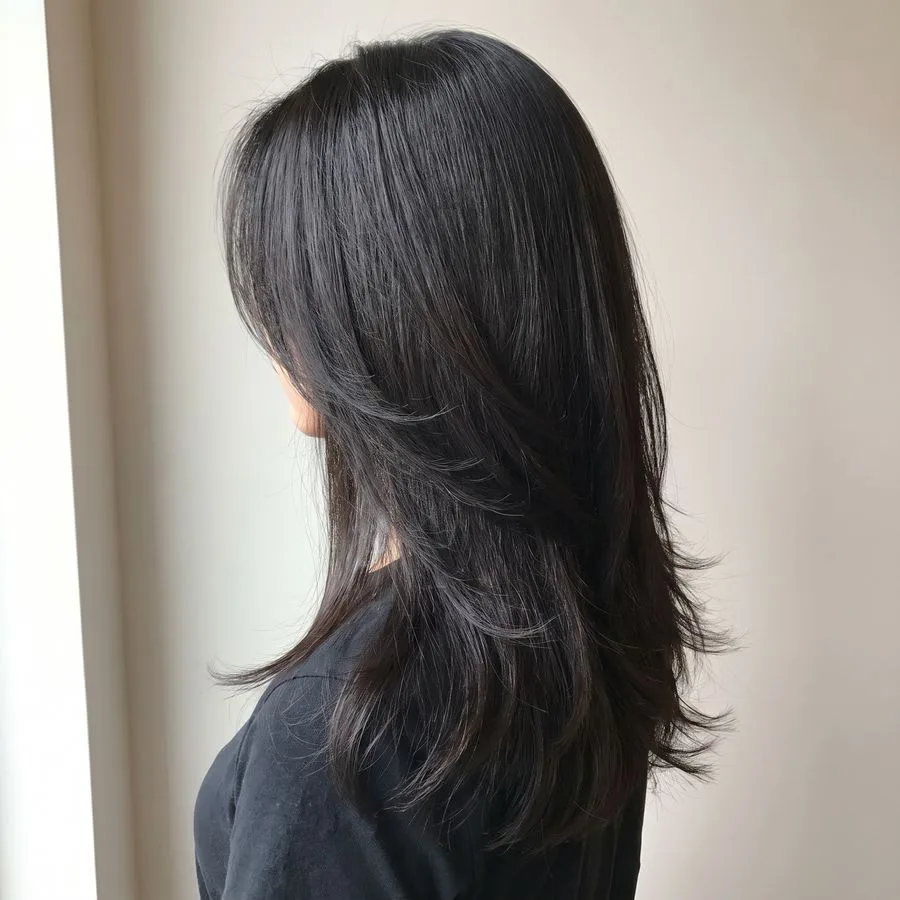
Long layers
The workhorse. Length stays past the collarbone while graduated layers pull weight off the interior, so the hair moves and the ends taper instead of flaring. This is the single most reliable answer to the triangle problem, and it flatters nearly every face shape because you can concentrate the shorter pieces where you want lift.
Shag
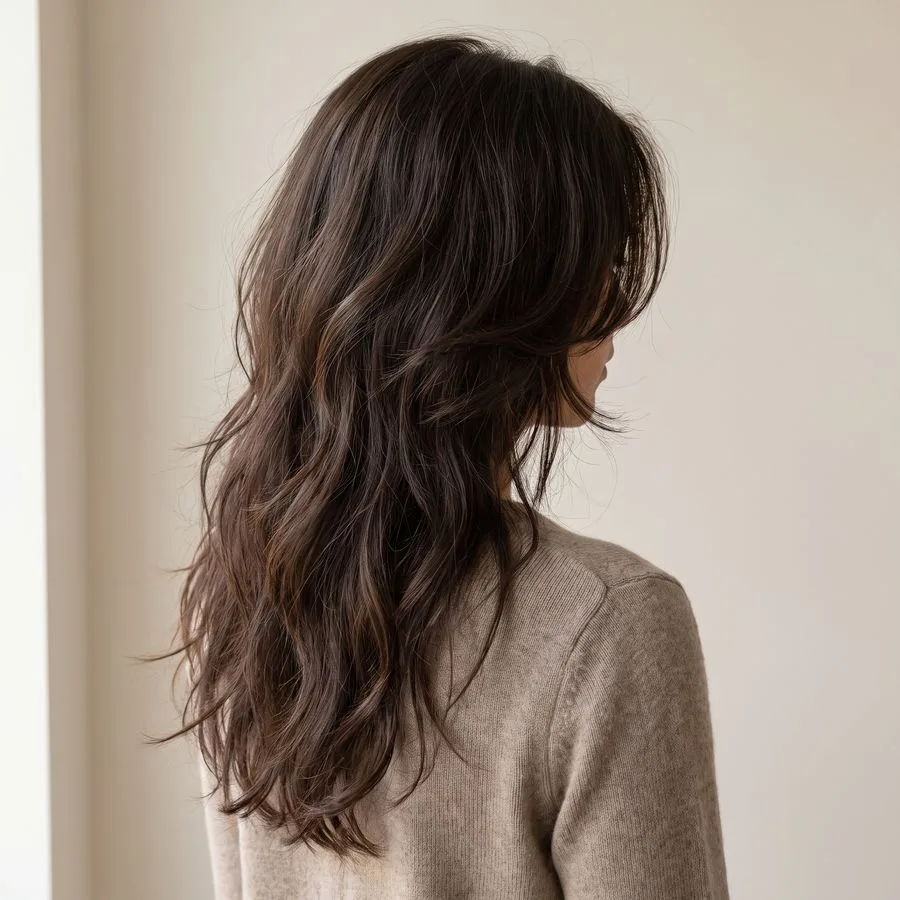
A shag is heavily layered throughout with a lot of texture, often finished with point cutting for a lived-in, slightly undone look. It's built for volume, so thick hair makes it look intentional rather than sparse. Expect shorter layers around the crown and a feathery perimeter. If your hair is wavy or curly, the shag leans into that instead of flattening it.
Face-framing layers
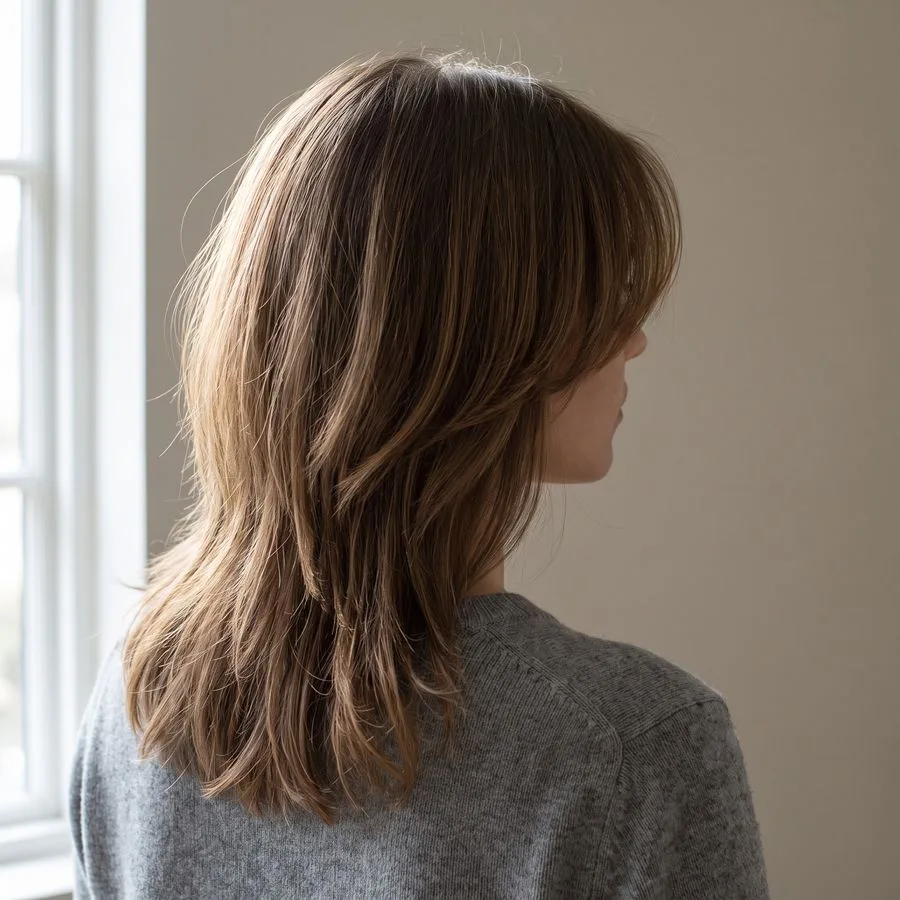
These are layers cut specifically around the front sections to draw a line along your cheekbones and jaw. On thick hair they do double duty: they soften a heavy perimeter and they keep width off the sides of the face, which is exactly where the triangle tends to bulge. You can add them to almost any long cut.
Curtain fringe
A curtain fringe parts in the middle and sweeps back toward each side, blending into the length. Thick hair gives it the body to stay put instead of collapsing. It's a low-commitment way to change the front without cutting overall length, and it bridges cleanly between feminine and masculine styling, which is part of why it's everywhere right now.
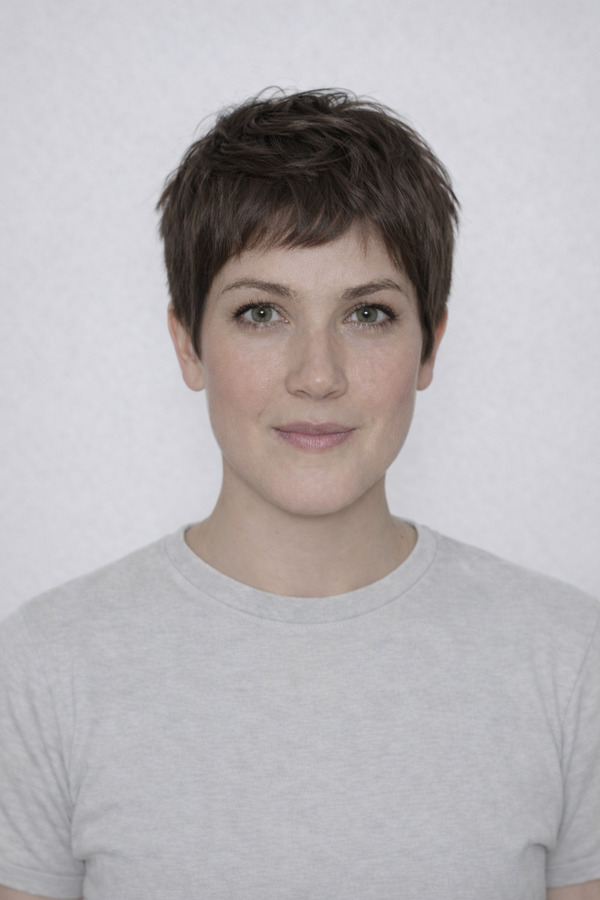
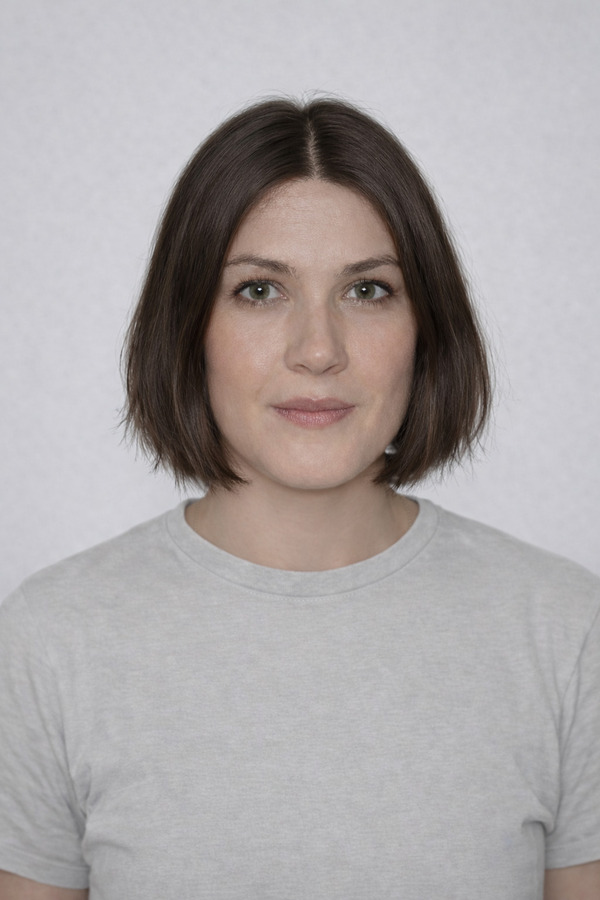
See any haircut on yourself
Upload one selfie and try on dozens of cuts and colours in seconds — before you commit at the salon.
Try a haircutBlunt cut
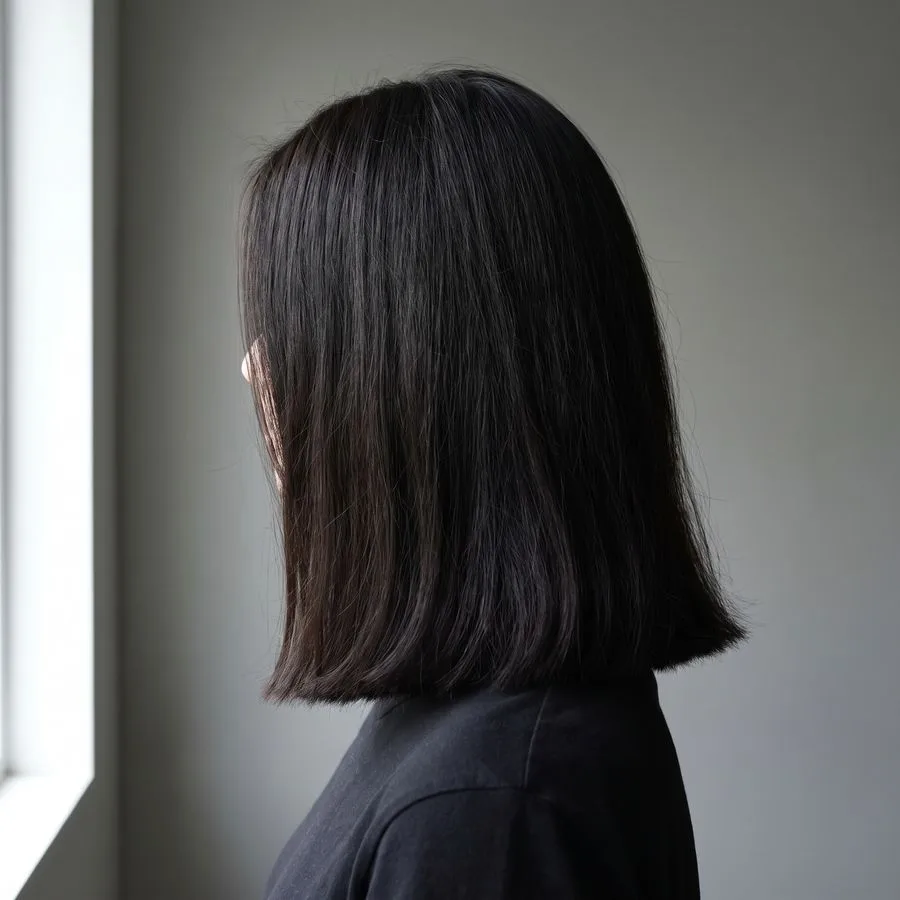
The contrarian pick. A blunt cut keeps the perimeter one solid length with no layers, and on fine hair it fakes density. On genuinely thick hair it does the opposite: all that weight sits at the bottom and the line reads heavy and strong. It works if you want a bold, sleek look and you're willing to blow it out. It does not work if your hair is prone to the triangle, because a blunt line is the widest point of the triangle by definition. Know which camp you're in before you commit.
The men's side of the same question
Guys searching for long styles for thick hair are asking the same thing in different words: how do I grow it out without looking poofy, and can it stay low maintenance? The techniques above apply, but the go-to shapes have their own names.
Flow
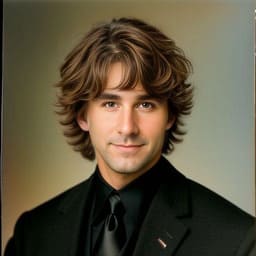
The flow is medium-to-long hair pushed back off the face so it falls behind the ears with a natural wave. Thick hair is what makes it work, since it holds the sweep and the volume without product doing all the labor. This is the cut most men picture when they say they want to grow it out. The catch is the grow-out itself, so if you're mid-journey, ask your barber to keep the sides tidy and add a little length on top each visit rather than growing everything at once.
Textured crop
Not the longest cut here, but the best answer for thick hair that you don't want to fuss over. The textured crop keeps a short, choppy top with the bulk cut out so it sits forward in pieces, usually over shorter sides. It's the low-effort option: towel dry, a little paste, done. If your worry is styling time more than length, this is where to start.
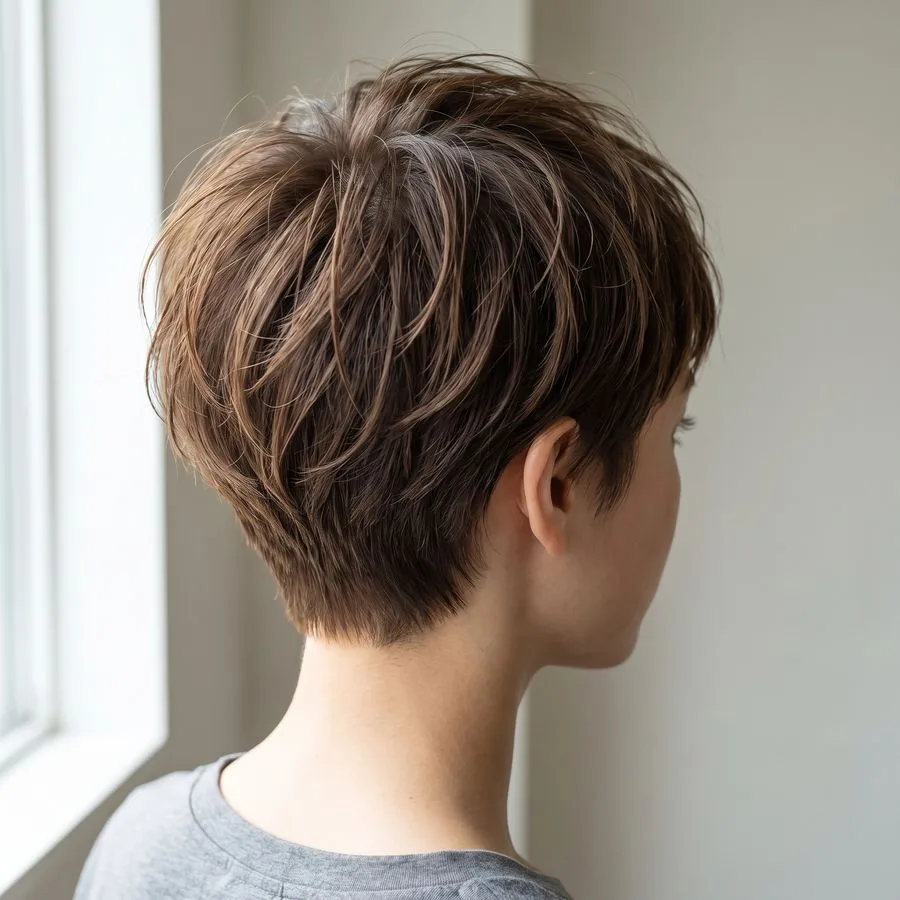
Undercut with a long top
An undercut takes the sides and back very short while leaving the top long, which is a direct fix for density: you remove bulk where hair goes wide and keep it where you want height and length. The contrast is sharp and it makes styling the top easier because there's no side volume competing with it. Great for men whose hair grows out instead of down.
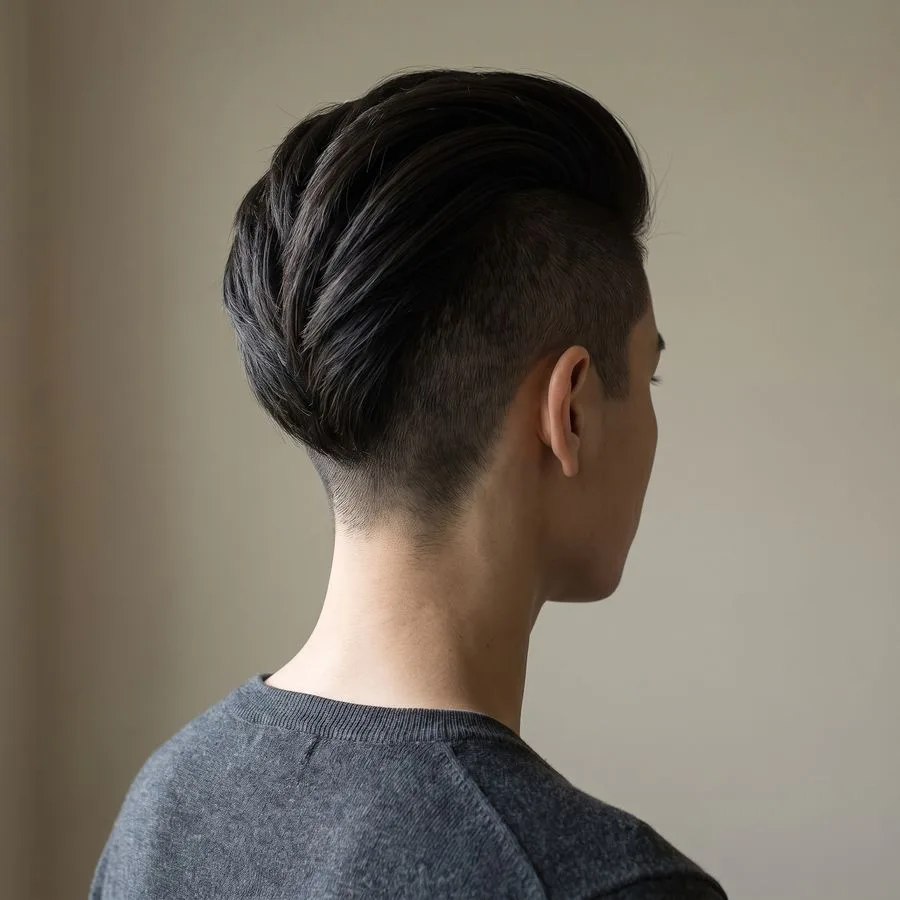
Man bun
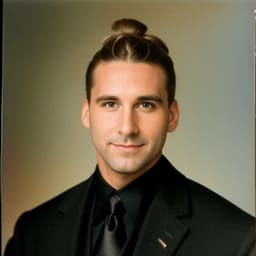
Once the top and back reach a few inches past the shoulders, a man bun becomes the practical way to wear thick hair off your face. It needs real length all around, so it's a destination rather than a cut, but thick hair fills out a bun so it looks substantial instead of stringy. Pair it with an undercut and you get a bun on the days you want one and short sides the rest of the time.
See it on yourself before the chair
A cut that looks great in a reference photo can read completely differently against your face shape and your actual density. This is the step worth taking before you commit to losing length or adding heavy layers. You can try these long cuts on your own photo and see how the flow, the shag, or the curtain fringe sits on you specifically. If you're torn between two very different directions, run a couple of free try-ons side by side rather than gambling at the salon.
Keeping long thick hair manageable
The cut sets the shape. Daily upkeep decides whether you actually enjoy the hair. Two ideas matter most here.
First, porosity. Porosity describes how readily your hair takes in and holds moisture, and it isn't the same as density. Dense hair can still be dry hair. If your ends soak up product and stay thirsty, that's high porosity, and it changes which conditioners and oils actually help. Pay attention to how your hair responds to water and product rather than assuming volume means it's well hydrated.
Second, a leave-in conditioner earns its place on thick hair. It weighs the strands down just enough to fight frizz and flyaways, smooths the cuticle so the layers move as one instead of splaying, and makes detangling a dense head of hair far less of a fight. Work it through the mid-lengths and ends, not the roots, so you don't kill the volume you want at the crown.
Get a de-bulking cut every couple of months so the weight doesn't creep back and rebuild the triangle. Between visits, the shape does most of the work: a good set of long layers or a proper undercut means you're styling with the cut, not against it. That's the whole point of choosing the right long cut for thick hair. It should make the volume look deliberate, and leave you less to do in the morning, not more.