Summer Cute Outfit Ideas That Survive the Heat
Real summer cute outfit ideas built on breathable fabrics like linen and cotton, so your look stays fresh and put-together long after you've left the house.
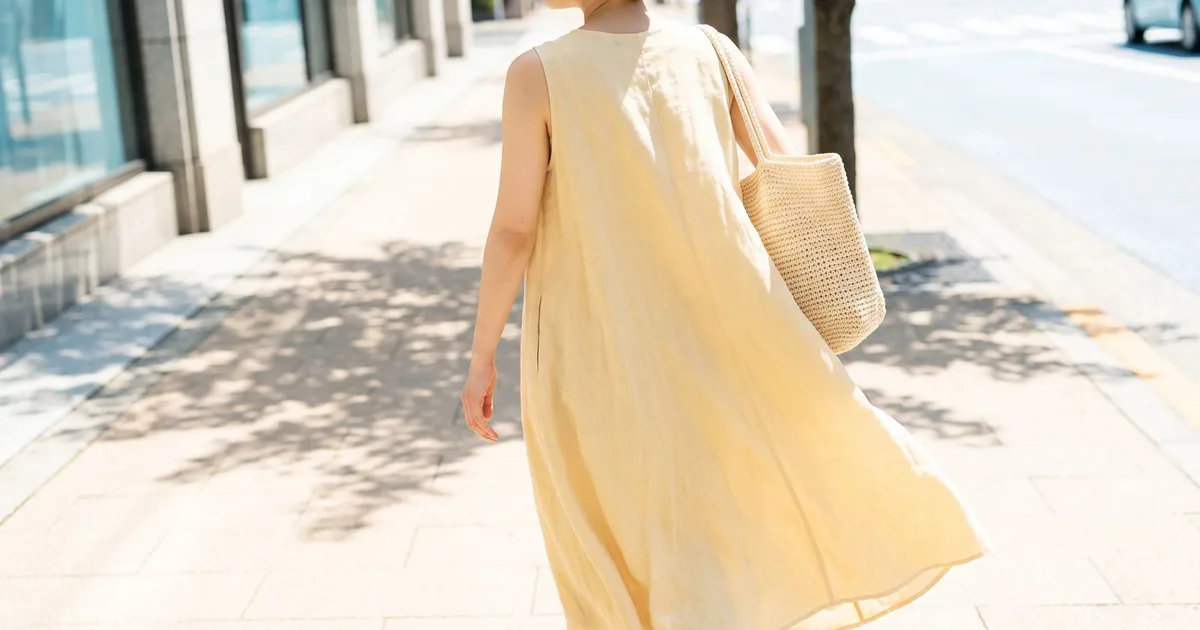
The hard part about summer clothes isn't finding something that photographs well. It's finding something that still looks good after you've walked six blocks in the heat. A look that reads as cute in a mirror can turn into a damp, clingy mess by the time you get where you're going. So the goal here is simple: outfits that stay put-together in real humidity, built from fabrics that actually do the work, with concrete formulas you can copy for both women's and men's wardrobes.
Everything below leans on a few plain facts about fiber and sun. Get those right and the styling almost takes care of itself.
Start with the fabric, not the outfit
The difference between a summer outfit that works and one that only looks the part is almost always the cloth. Two fibers do most of the heavy lifting.
Linen comes from the flax plant, and its fiber structure gives it high breathability and moisture-wicking behavior, which is exactly why people have worn it in hot weather since antiquity. It wrinkles. Let it. The rumple is part of the look and always has been. Cotton earns its reputation a slightly different way: it's a seed fiber that readily absorbs and releases moisture, so it pulls sweat off your skin instead of trapping it.
Two more warm-weather weaves are worth knowing by name. Seersucker takes its name from the Persian *shir o shakar*, 'milk and sugar', after its alternating smooth and puckered stripes; that pucker holds the cloth off your skin, which is how it became a fixture of hot-climate Southern suiting. Chambray is the lighter, softer cousin of denim, woven so it breathes like a shirt instead of sitting on you like a jacket. Reach for it when you want the look of denim without the weight.
The practical rule: if a garment is made of linen, cotton, chambray, or seersucker, it's already halfway to comfortable. Synthetics that don't move air will undo an otherwise good outfit.
Cute summer formulas you can copy
None of these are complicated. They're combinations that repeat well and photograph well without betraying you in the heat.
The sundress, done right
A cotton or linen sundress is the least-effort, most-reliable warm-weather outfit there is. One piece, nothing to coordinate, air moving freely. Keep the silhouette loose through the body so the fabric doesn't cling when you sweat. A pastel palette (butter yellow, soft sage, powder blue) reads as summer instantly, though there's a tradeoff worth knowing before you buy, and I'll get to it in the sun section.
The romper and the short set
A romper gives you the one-and-done ease of a dress with more freedom to move, which makes it the better call for a day that involves actual walking. Linen shorts paired with a simple tank or a boxy tee do the same job in separates, and separates give you more mileage: the shorts restyle with three other tops, the tank goes under a shirt at night.
Denim cutoffs, the workhorse
Denim cutoffs are the piece almost everyone already owns and almost no one styles deliberately. Pair them with a tucked-in tank for something clean, or an oversized camp-collar shirt worn open for something looser. The point is contrast: structured shorts, relaxed top, or the reverse.
Accessories that also earn their keep
A straw hat isn't only a finishing touch; it's shade you carry with you. Sunglasses do the same for your eyes. Espadrilles are the summer shoe worth understanding: traditionally a canvas upper on a flexible jute-rope sole, a style that came out of the Pyrenees between Spain and France. They're light, they breathe, and they dress up a plain outfit without asking much of your feet.
A distinct playbook for guys
Most 'cute outfit' roundups fold men in as an afterthought or leave them out entirely. That's a mistake, because summer menswear has some of the best-engineered hot-weather clothing around, and most of it goes unworn because nobody explains it. Here's the actual toolkit.
Shirts built for heat
The guayabera is a lightweight, loose shirt with two or four patch pockets and vertical pleats called *alforzas*, originally from Latin America and the Caribbean and worn untucked by design. That last part matters: it's meant to hang away from your body, so it's cool by construction, not just by fabric. The Hawaiian or camp-collar shirt works the same way. Short sleeves, open collar, a loose cut, and a print loud enough to carry the whole outfit. Wear either with plain shorts and let the shirt do the talking.
For something more restrained, a cotton polo shirt sits between a tee and a button-up. It looks intentional, it breathes, and it works for a patio dinner as easily as a weekend errand. A plain cotton tank is the hot-day baseline; nothing wrong with keeping it that simple.
Shorts with actual history
Bermuda shorts trace back to a British colonial military uniform in Bermuda, cut to knee length for the heat and later absorbed into everyday and business-casual wear on the island. That knee-length cut is the reason they look tidier than a gym short while staying just as cool. Linen shorts are the more relaxed alternative. Either one pairs with the shirts above without much thought.
Shoes that finish it
Boat shoes are the low-effort summer standard for men, worn with or without socks, and they take a beating near water. Espadrilles work for guys too, and read a little more considered. Between the two you can cover almost any warm-weather occasion short of black tie.
Put it together and a full men's summer outfit is genuinely three decisions: a breathable shirt, knee-length or linen shorts, and one pair of shoes. Add sunglasses and you're done.
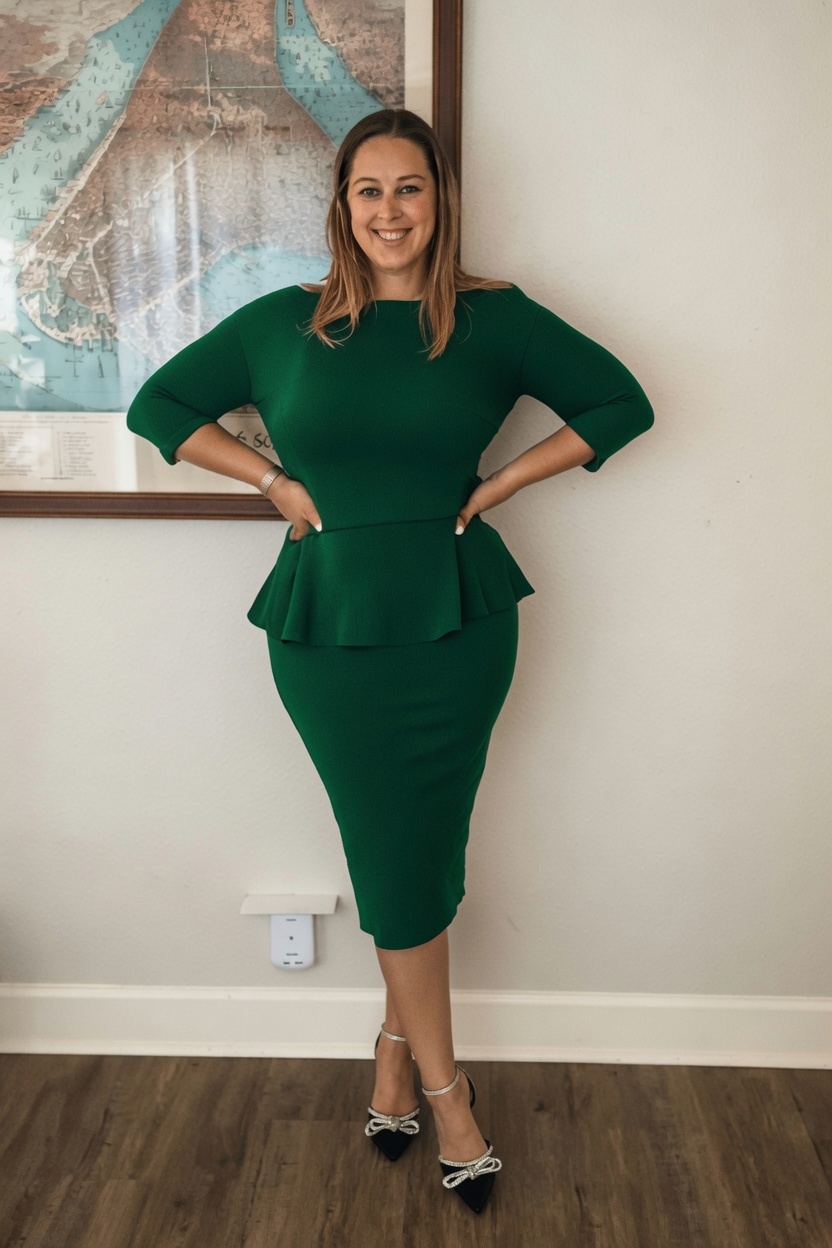
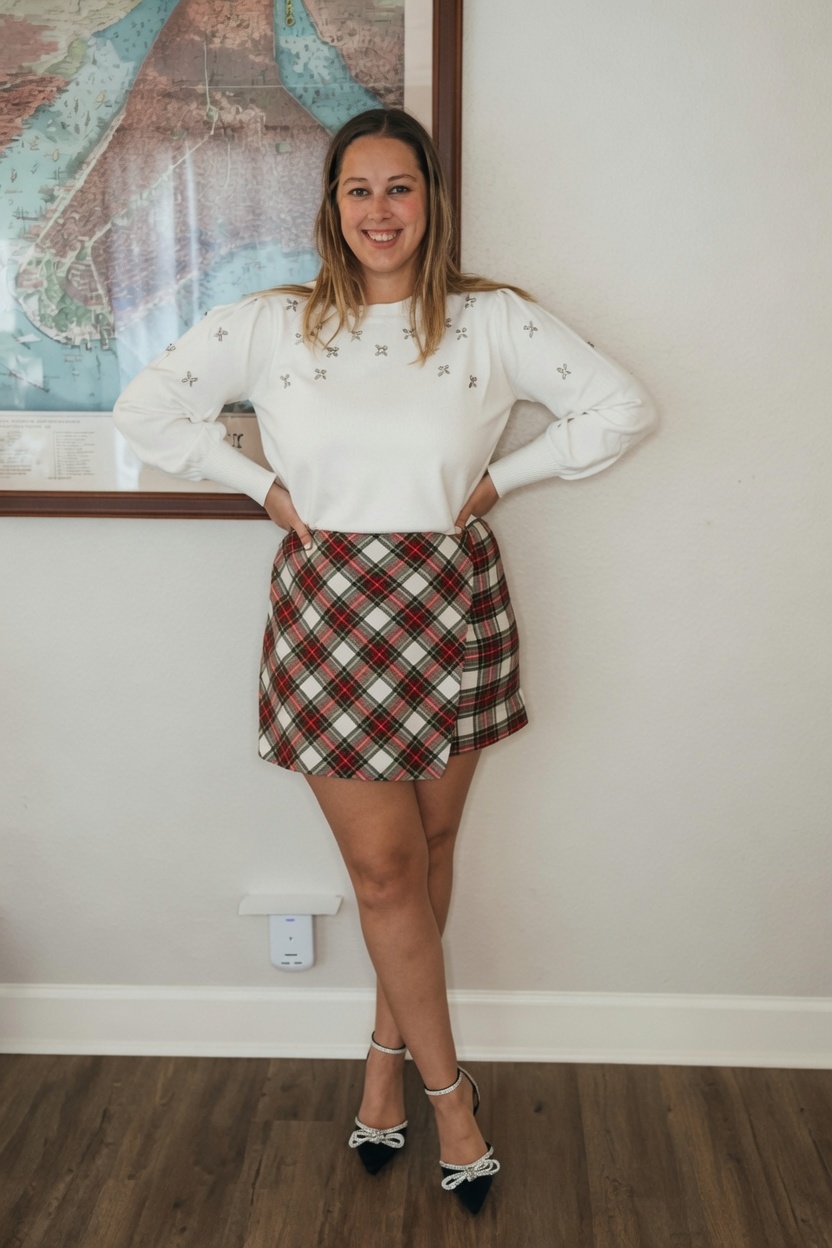
Try before you buy
Try on outfits, accessories and more on yourself in seconds — and save money and time on returns.
Try it onThis is the step that saves you from the thing everyone dreads: an outfit that looked great in the listing and wrong on you. You can preview clothing combinations on your own photo before spending anything, and because summer looks live and die by their footwear, it's worth checking how espadrilles or boat shoes actually pair with the shorts you have in mind. The sunglasses and straw hat are quick to test the same way, and those two accessories change the whole read of an outfit more than people expect.
The sun science that should steer your choices
Cute and comfortable is one thing. If you're going to be outside for hours, there's a third factor, and it's the one people skip.
The Skin Cancer Foundation notes that tightly woven, densely constructed fabrics block more UV than loosely woven ones, and that darker colors generally offer more protection than lighter or faded colors of the same weave. This is the catch with those soft pastels: a pale, loosely woven dress is one of the most summery things you can wear and also one of the least protective. Not a reason to avoid it. Just a reason to add a hat, or throw a shirt over your shoulders when the sun is high.
When coverage genuinely matters, UPF-rated clothing is made and labeled specifically to block UV, so you don't have to guess about weave or shade. And to know how much protection you need on a given day, the EPA's UV Index gives a daily forecast of expected UV intensity, which is the simplest way to decide between the strappy tank and the long-sleeve linen shirt before you walk out the door.
The move isn't picking between cute and covered. It's a light dress plus a straw hat, or a breathable long sleeve on a high-index day. Protection and style aren't opposites here.
Layer for the evening drop
Summer days run hot and summer evenings often don't, especially near water or once the sun goes down. The trick is layering that doesn't add bulk during the heat of the day. A chambray shirt over a tank, tied at the waist until you need it. A light linen overshirt that folds down to nothing in a bag. A knit you can knot over your shoulders. The daytime outfit stays minimal; the layer is insurance you carry, not weight you wear.
This is also where separates beat one-piece outfits. A sundress or romper is fixed once you leave the house, but a top-and-shorts combination lets you swap a piece or add a layer as the temperature moves.
Build a small summer capsule
If you want to stop rethinking this every morning, assemble a capsule: a handful of pieces that all combine with each other, so any grab makes an outfit. A workable summer set looks like this.
Two breathable bottoms: linen shorts and Bermuda shorts, or denim cutoffs and a light skirt
Three tops that mix: a tank, a polo or a plain tee, and one statement shirt (camp-collar, Hawaiian, or guayabera)
One easy one-piece: a sundress or a romper for days you don't want to think
A chambray or linen shirt as your evening layer
Two pairs of shoes: espadrilles and boat shoes cover most of it
Finishers: a straw hat and one pair of sunglasses
That's roughly ten or eleven pieces that produce dozens of outfits, all of them breathable, most of them mixable across the men's and women's ideas above. Keep the palette tight (neutrals plus a couple of pastels) and everything talks to everything else.
Before you buy any of it, map how the pieces work together on your own frame instead of on a model's. When something's ready to add, browse and shop specific summer pieces here. The fabric does the comfort. The formulas do the styling. Your job is mostly to not overthink it, and to keep a hat within reach.