Best Brands for Denim: A Guide by Fit, Fabric, and Price
Confused by denim marketing? This guide breaks down the best brands for denim by fit, fabric, and budget, so you can shop with actual confidence.
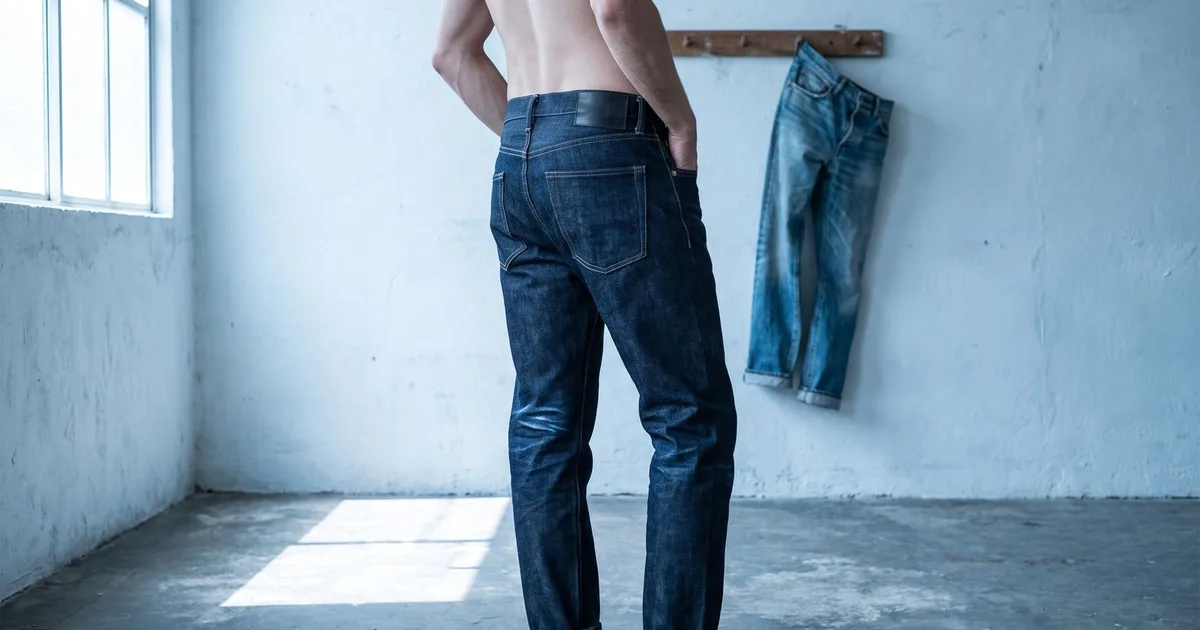
You want a pair of jeans that fit, last, and look like something you chose on purpose. The trouble is that "best" means different things depending on whether you're after a $60 workhorse or a stiff pair of raw selvedge you'll break in over a year. Sizing doesn't help. A 32 in one brand is a 33 in another, and a women's 27 can run two full inches apart between labels. This roundup sorts the field by who it's for and what it's for, with enough about how denim is actually made that you can tell a real recommendation from listicle filler.
The word itself carries some history. "Jeans" comes from Gênes, the French name for Genoa, where a tough cotton fabric for sailors and workers was made and traded as far back as the 16th century. What we wear now, though, starts with one patent.
How to read a pair of jeans before you buy
A few terms decide how a pair feels, ages, and holds up. Learn these and every brand below makes more sense.
Rivets are the small copper studs at the pocket corners and fly. They exist because in 1873, Levi Strauss & Co. and tailor Jacob Davis won a U.S. patent for using copper rivets to reinforce the stress points on work trousers. That reinforcement is the reason the modern blue jean exists at all.
Selvedge denim is woven on narrow vintage-style shuttle looms that finish the fabric edge cleanly, the "self-edge" you see when the cuff is rolled. Most mass-market denim comes off wider, faster projectile looms instead. Selvedge isn't automatically better, but it signals a slower, older way of weaving that many enthusiasts prize.
Raw denim (or dry denim) hasn't been washed or treated after dyeing. It arrives stiff, dark, and fully saturated with indigo, then fades and creases to your body over time. That's the whole appeal for people who want their jeans to record how they live. It's also why raw takes patience: expect weeks of break-in before it softens.
Weight, measured in ounces per square yard, tells you how heavy the fabric is. Lightweight denim sits around 9 to 12 oz and works year-round. Heavyweight denim, 16 oz and up, feels like armor at first and rewards you with dramatic fades. Stretch denim blends in elastane for give, which most people want in a skinny or a high-rise. Purists skip it because stretch fades less cleanly and loosens with wear.
Everyday and affordable: the American workwear three
If you want one reliable pair without a project attached, start here. These brands built the category and still make the most forgiving entry points.
Levi's is the default for a reason. The straight-leg and relaxed fits are widely copied, the sizing is well documented, and you can find everything from raw selvedge to soft stretch under one name.
Wrangler leans into a Western heritage, which makes it a strong pick for bootcut and roomier straight legs that sit well over boots.
Lee sits between the two, with a reputation for comfortable mid-weight denim and cuts that flatter without much fuss.
None of these will punish you for a first purchase. They're the sensible answer to "I just need good jeans," and they come in enough fits to cover most bodies.
Best denim brands for women
Women's denim shopping tends to be a fight over rise and leg shape more than brand loyalty, so match the cut to what you actually wear.
High-rise jeans sit at or above the natural waist and are the most versatile place to start; they lengthen the leg and stay put when you sit. Mom jeans take that high rise and add a tapered, slightly relaxed leg for a vintage look that works with sneakers or boots. Wide-leg jeans read modern and dressy and hide a lot of fit compromise, which is why they're easy to wear. Skinny and slim-straight cuts still have their place, and here a touch of stretch denim earns its keep because it keeps the fit close without cutting off movement.
For women who care about how a pair ages rather than just how it looks new, the premium and Japanese brands further down make women's fits too, and they age the same way men's raw denim does. Fit inclusivity varies a lot by brand, so extended sizing is worth checking before you fall for a specific wash.
Best denim brands for men
Men's denim splits neatly by leg. A straight-leg is the safe all-rounder and the cut most raw-denim brands do best. Slim and skinny fits suit a leaner frame and pair well with stretch for comfort. Bootcut still makes sense if you actually wear boots and want a clean line over the shaft. Beyond the American three above, the men's raw and selvedge world is where the real depth is, which is the next section.
Whatever the cut, the recurring problem is that no two brands measure a waist the same way. Rather than order three sizes and return two, it helps to see a pair on your own frame first. You can try jeans on virtually and compare how different brands' cuts actually land before you commit to one.
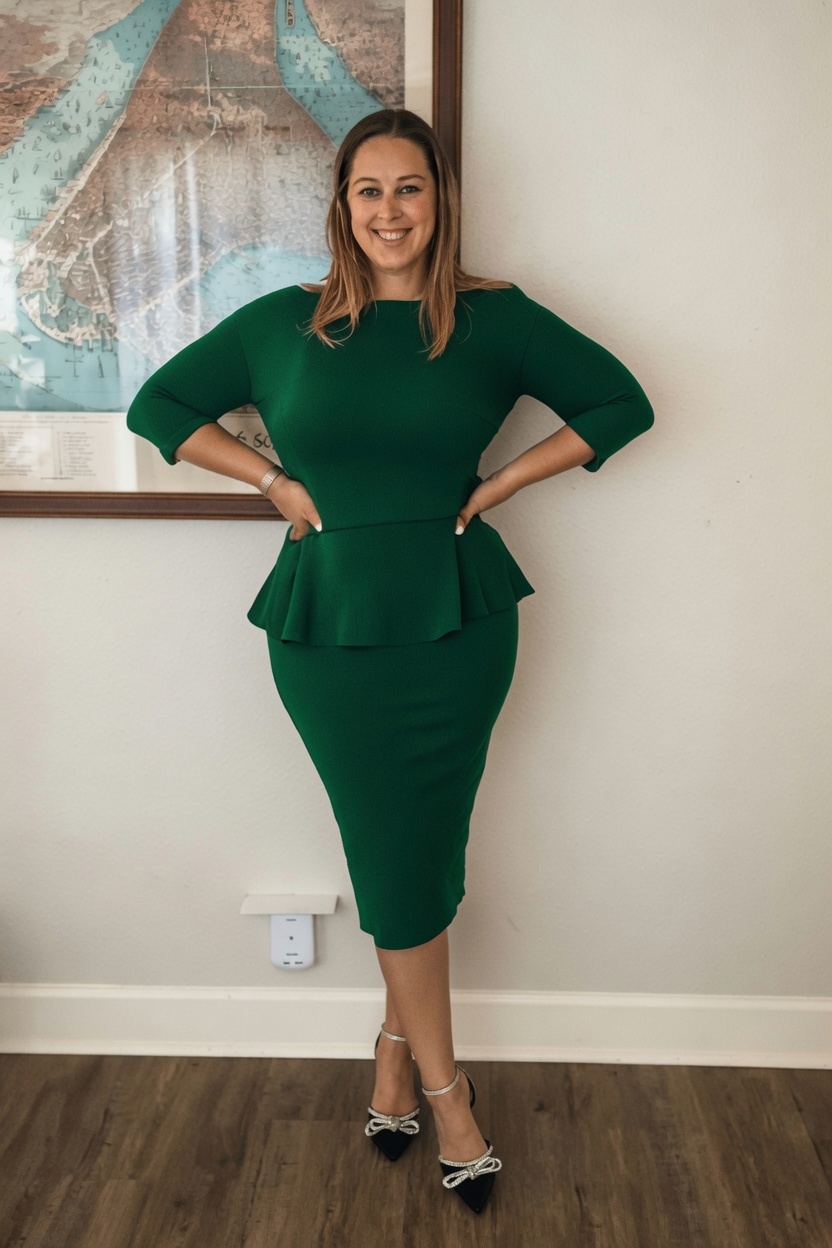
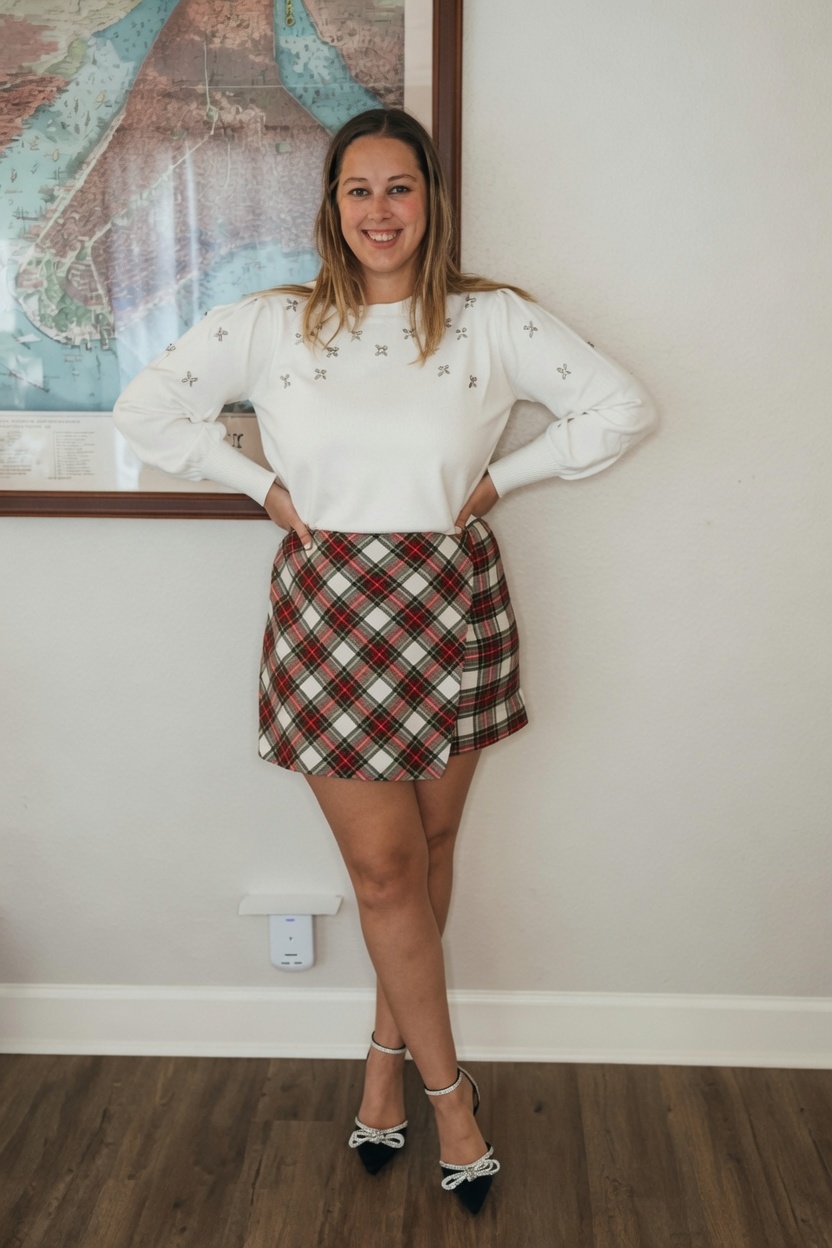
Try before you buy
Try on outfits, accessories and more on yourself in seconds — and save money and time on returns.
Try it onPremium raw and selvedge
This is the tier for people who treat jeans as something that improves with wear. Prices climb, but so does construction quality and the payoff in fading.
Nudie Jeans made raw denim approachable, with strong dry selvedge options and a repair-minded ethos that suits people who plan to keep a pair for years.
A.P.C. built a following on clean, minimal raw denim in slim, understated cuts. It's the pair for someone who wants selvedge fades without any workwear signaling.
Cone Mills is a name to know on the fabric side. The historic American denim mill supplied the cloth for countless heritage jeans, and "Cone Mills selvedge" on a spec sheet still means something to collectors.
Raw denim here rewards restraint. Wear it, don't over-wash it, and let the creases set. The fades you get are yours and can't be faked at the factory.
Japanese denim: the heritage tier
If you searched specifically for Japanese denim, you already know this is a different world from everyday shopping. Much of it traces to one place. Kojima, a district of Kurashiki in Okayama Prefecture, is Japan's jeans-manufacturing hub, home to the country's first domestically produced jeans in the 1960s and a dense cluster of mills and brands. The craft focus is on old-loom weaving, deep natural indigo dye, and heavyweight fabrics that fade with real drama.
Momotaro is famous for its indigo obsession and hefty, high-quality selvedge, often with the signature painted stripe down the leg.
Japan Blue comes from the same Okayama family of brands and offers some of the most accessible entry points into serious Japanese selvedge.
Studio D'Artisan is one of the original Osaka denim houses, playful and heavy on character.
Evisu is instantly recognizable from its hand-painted seagull pocket motif and helped put Japanese denim on the global map.
Edwin is one of Japan's oldest and largest denim names, spanning everyday fits and serious selvedge.
Kapital takes a more experimental, artisanal route, with boro patchwork and unusual dyeing that make each pair a statement.
Iron Heart is the specialist in ultra-heavyweight denim, the 21 oz and up territory that break-in obsessives seek out.
Kaihara Denim is a major Japanese mill that weaves and dyes fabric for many brands, another spec-sheet name that signals quality cloth.
These aren't first-jeans purchases for most people. They're what you buy when you've worn enough denim to know exactly which weight, cut, and indigo depth you want, and you're willing to break them in. Ready to look at specific pairs? Browse the shop once you've settled on a category.
Sustainable and organic denim
Denim is a thirsty, chemical-heavy product to make, so how a brand handles cotton and washing increasingly counts toward "best." Organic cotton, water-saving wash techniques, and repair programs are worth looking for, and several brands in the raw and premium tiers, Nudie among them, build durability and repairability into the pitch. The most sustainable pair, honestly, is the one you wear for a decade, which is another argument for buying quality denim that ages well rather than replacing cheap pairs every year.
Getting the size right
Every recommendation here falls apart if the fit is wrong, and denim sizing is genuinely inconsistent between brands, between a raw pair that'll relax and a stretch pair that won't, and even between two washes from the same label. Raw denim in particular is often sold to be worn snug because it stretches; a washed pair won't move much at all. Before you spend on a Japanese heavyweight or commit to a new brand's cut, it's worth seeing the fit on yourself. You can start with free try-ons to compare a few brands side by side and skip the return-shipping cycle.
Start with the American three if you want reliable and affordable, step up to Nudie, A.P.C., or a Cone Mills pair when you want fades worth waiting for, and treat the Okayama brands as the reward at the end of the rabbit hole. Buy for the cut and the weight, confirm the fit, and a good pair of jeans will pay you back for years.

Tobias Scharl
Further reading
Best Men's Clothing Brands: What to Buy Where
Skip the fifty-brand lists. Here's exactly which men's clothing brands are worth your money for basics, denim, tailoring, outerwear, and workwear.
How to Build a Capsule Wardrobe on Amazon
Build a capsule wardrobe on Amazon without the return-label pile-up. Here's what to buy, how many pieces you actually need, and how to avoid fit gambles.