Guest Outfit for Wedding: How to Dress by Dress Code
Confused by the dress code on your invite? Here's how to pick the right guest outfit for a wedding, from black tie to semi-formal, without overdressing.
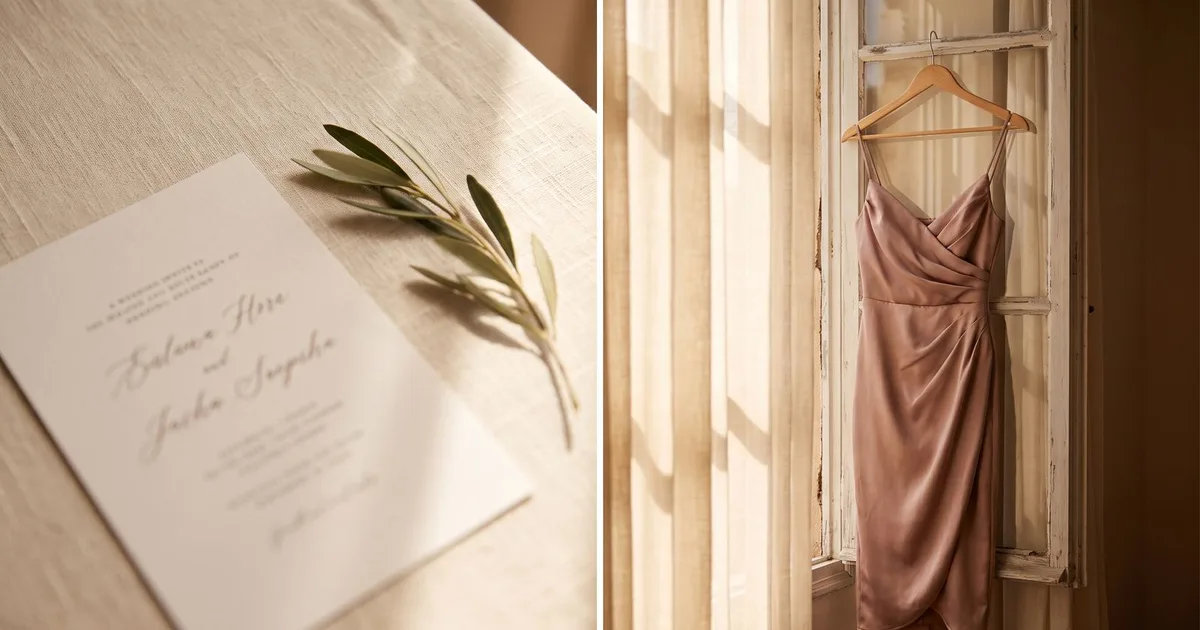
You got the invite, you're happy for the couple, and then you read the small line at the bottom: cocktail attire. Or semi-formal. Or nothing at all, which is somehow worse. The real question isn't "what looks nice." It's "what does this wedding actually expect of me, and will it look right on my body?" This guide answers both, in that order.
Start with the invitation. The dress code line is instruction, not decoration, and decoding it correctly does most of the work before you shop for anything.
Read the invite first: what the dress code words mean
Wedding stationery uses a small set of phrases that sound vague but have fairly specific translations. Match yours below, then skip to the outfit formulas.
Black tie
This is the most formal line you're likely to see. According to The Knot's dress code cheat sheet, black tie means a floor-length gown or a dark, often tuxedo-style formal suit. There isn't much wiggle room. If the invite says black tie, a knee-length dress will read as underdressed, no matter how good it is.
Cocktail attire
The phrase that trips up the most people. In plain English, cocktail attire means a knee-length or midi dress, a dressy jumpsuit, or a suit worn without a necktie. It's dressy but not formal. You want to look like you made an effort and could also hold a drink comfortably for four hours.
Semi-formal
Semi-formal sits in the gap between cocktail and black tie, and Brides.com puts it at a dressy knee-to-tea-length dress, or a suit and tie. Think of it as cocktail with the volume turned up slightly: richer fabric, a longer hem, a bit more polish.
Casual and beach formal
Casual does not mean what you'd wear to brunch. Even for a relaxed or beach ceremony, The Knot notes that the dress code still typically rules out denim, sneakers, and flip-flops, pointing instead toward sundresses, linen separates, and dressy sandals. The bar is lower than cocktail, not absent.
If the invitation says nothing at all, look for clues. A ceremony at a hotel ballroom at 6 p.m. leans formal. A vineyard at 3 p.m. in September leans semi-formal or cocktail. A beach at sunset points to beach formal. When genuinely stuck, ask whoever invited you. Nobody has ever been annoyed by a guest who wanted to get it right.
Outfit formulas that work in real life
Once you know the code, the outfit becomes a fill-in-the-blank. Here are reliable starting points you can adapt.
Black tie: A floor-length gown in a solid, saturated color, or a sharply tailored dark suit. Keep accessories minimal and let the length do the talking.
Cocktail: A midi dress in a strong color, or a wide-leg jumpsuit with a heel. A well-cut suit minus the tie reads correctly here too.
Semi-formal: A tea-length wrap dress or a structured midi, plus a heel or a dressy flat. This is the most forgiving code to shop for.
Beach formal: A flowing sundress or coordinated linen separates in a warm tone, finished with dressy sandals instead of anything you'd wear to the pool.
A wrap dress deserves a specific mention because it does so much of the heavy lifting. It defines the waist, adjusts to your actual measurements rather than a size chart's guess, and moves from a garden ceremony to a dance floor without complaint. A jumpsuit is the other quiet workhorse. It photographs sharp, it lets you sit and dance without managing a hem, and it sidesteps the whole "is this too short" question.
Dressing well above a straight size
The advice most plus-size guests actually want isn't a list of dresses. It's how to look pulled together without fabric clinging where you don't want it, and how to feel covered through the arms and middle while still looking dressed up. Fabric choice settles most of this.
Brides.com recommends structured fabrics with a bit of built-in stretch over clingy jersey, and favoring a defined waistline over a shapeless tent. That combination is the whole trick. Structure holds its own shape instead of tracing yours, the stretch keeps it comfortable through dinner, and a marked waist gives the eye a clear line so the outfit looks intentional rather than draped.
For arm coverage that doesn't read as an afterthought, work it into the design rather than adding a cardigan on top. A three-quarter sleeve, a flutter sleeve, or a dress with a matching wrap or cape built in gives you coverage that looks like a choice. A defined waist with a fuller skirt below balances the proportions and stays comfortable to eat and dance in. The goal is a silhouette you're not managing all night.
Fall weddings: staying warm without the bulk
Autumn ceremonies bring a specific problem. The photos happen outside, the temperature drops the moment the sun does, and nobody wants to shiver through the vows or hide a beautiful dress under a puffer. The fix is layering that looks deliberate.
The Knot's fall guidance leans into jewel tones for the season: emerald, burgundy, and navy, colors that read rich under overcast light and against turning leaves. For warmth, it points to layering pieces like a blazer or a cape rather than a bulky coat. A tailored blazer over a midi dress looks like styling, not survival gear. A cape drapes cleanly over sleeves without adding volume at the arms, which makes it a strong pick if you also want coverage.
Add opaque tights and a closed-toe heel or a dressy boot, and an outdoor October ceremony stops being a test of endurance. The jewel-tone palette also happens to flatter a wide range of skin tones, which is part of why it endures season after season.
This is exactly the kind of decision worth previewing before you buy. A burgundy that looks incredible on the model can go flat against your coloring, and a blazer that photographs sleek on a hanger can add bulk you didn't expect.
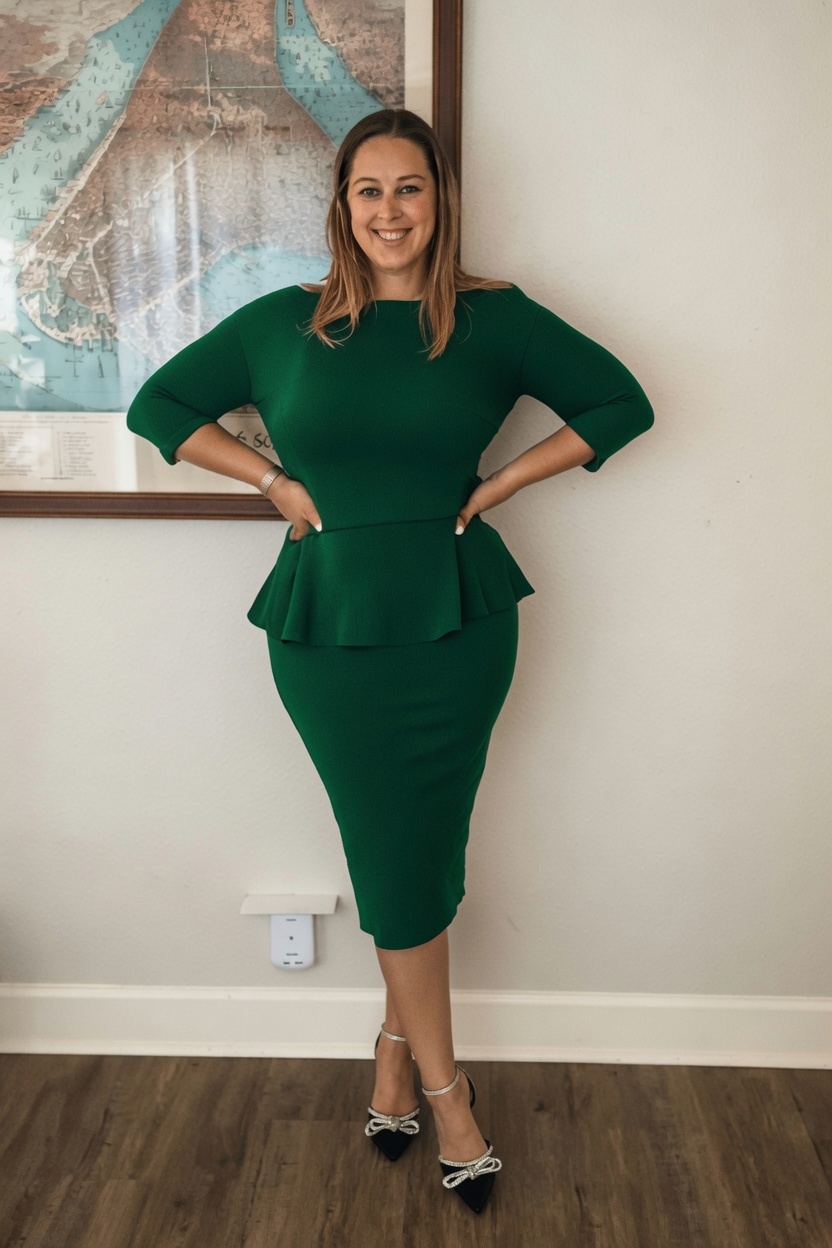
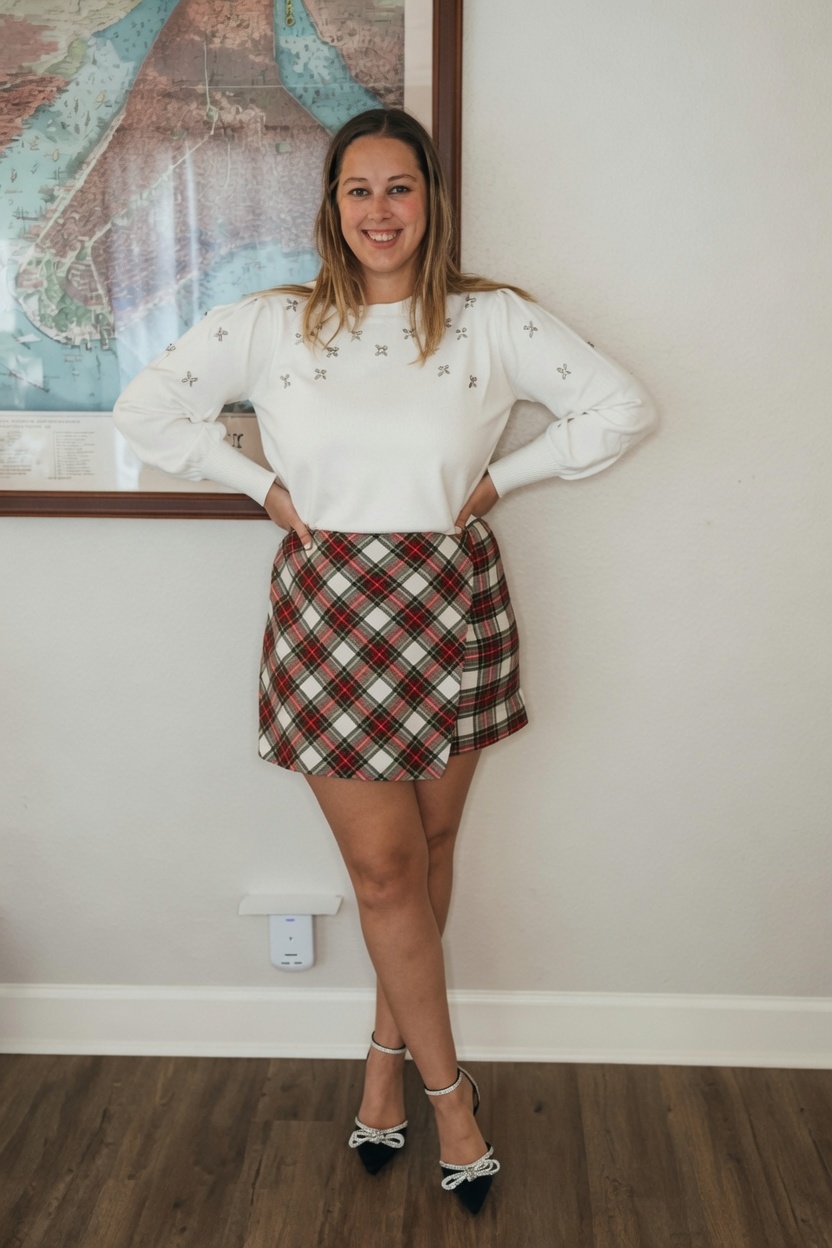
Try before you buy
Try on outfits, accessories and more on yourself in seconds — and save money and time on returns.
Try it onYou can try a dress or suit on virtually to check how a specific jewel tone reads against your skin and how a layer sits over the silhouette, before anything ships. It's the fastest way to answer the two questions a product photo can't: does this color suit me, and does this shape work on my frame.
The etiquette lines you don't cross
Most of dressing as a guest is freedom. A few rules aren't, and breaking them is the kind of thing that ends up in the couple's memory of the day.
Don't wear white, and don't test the edges of it
This is the one that keeps guests up at night, and rightly so. The Emily Post Institute holds that guests should avoid white, ivory, and any shade close enough to be mistaken for the bride's dress. That includes cream, champagne, and a mostly-white floral if white dominates. When a color is borderline, treat it as a no. Nobody remembers the guest who played it safe.
Don't compete with the bridal party
Steer clear of the wedding party's colors if you know them, and skip anything so attention-grabbing it pulls focus from the aisle. This isn't about hiding. It's about not accidentally looking like you're part of a lineup you weren't asked to join, or upstaging the people the day is actually about.
All-black is fine now, with one caveat
The old rule against black at weddings has largely faded. Brides.com notes that all-black guest attire is broadly acceptable at modern weddings, unless the couple specifically asks guests to avoid it. So a black midi or a dark suit is a safe, elegant choice, just check the invitation and any wedding website for a stated preference first.
Match your shoes to the ground
Footwear is where casual codes trip people up. Even a relaxed dress code generally rules out sneakers and flip-flops. For an outdoor or beach ceremony, a block heel or a dressy flat saves you from sinking into grass or sand while keeping the outfit intact. Comfort and correctness aren't opposites here.
Buy something you'll wear again
The most common objection to wedding shopping is spending real money on a thing you'll wear once. You don't have to. A jewel-tone midi, a well-cut jumpsuit, and a tailored blazer all have lives well beyond the reception. The blazer goes to work, the jumpsuit goes to dinner, and the midi resurfaces at the next event on your calendar. Choosing pieces with a second life is how you justify buying something good rather than something disposable.
Fit is what determines whether that rewear actually happens. A dress that fits properly is one you reach for again; one that pulls or gapes gets worn once and shoved to the back of the closet. Previewing fit before you buy is how budget-conscious shopping and good taste stop fighting each other.
If you'd rather test a few options than gamble, you can preview outfits free and compare shapes and colors side by side, then head to the shop to browse specific pieces once you've settled on a direction. Decode the invite, pick a silhouette that flatters your frame, avoid the three hard no-gos, and you're dressed. The couple will be too busy getting married to grade you, which is exactly how it should be.