Textured Fringe: What It Is and Who It Actually Suits
Thinking about a textured fringe? Here's what makes it different from blunt bangs, who it flatters, and how to style it before you book your cut.
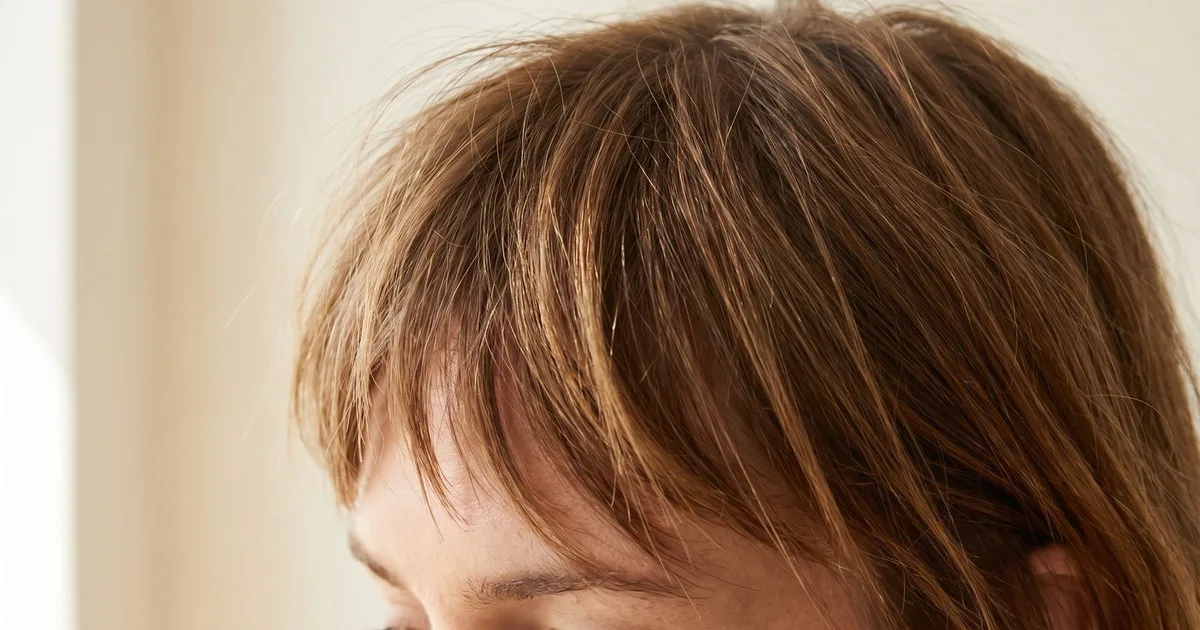
Bangs are the one haircut you can't hide from. They sit in the middle of your face, they change how everyone reads it, and if they go wrong you're stuck for weeks. So it makes sense that most people want reassurance before they commit, especially when the goal is a fringe that looks deliberately messy instead of just flat and forgotten by lunchtime.
A textured fringe is the answer to that worry, but it helps to know exactly what you're asking for and whether it suits your face and hair. Here's what the cut actually is, who it flatters, the styling that keeps it looking textured, and how to test it before a stylist picks up the scissors.
What a textured fringe actually is
The difference between a textured fringe and a blunt one comes down to the edge. A blunt fringe is cut to a single straight line, heavy and graphic, all weight and no gaps. A textured fringe uses choppy, layered strands instead, so the shape relies on movement and separation rather than one clean edge. The ends break up. Light gets through. It reads soft even when it's short.
That structural difference is why texture forgives so much. A blunt line shows every flaw the moment it grows out or falls flat. A choppy fringe is built to sit a little imperfectly, which is exactly what makes it easier to live with. If you've been nervous that bangs mean daily fuss, the textured version is the low-effort end of the spectrum.
Face shape and hair texture: read this before you book
Most people frame the decision around their face shape, and that instinct is right. A textured fringe is flexible, but the details shift depending on what you're working with.
Oval: the easiest shape to work with. Almost any length and parting sits well, so choose based on hair texture rather than face.
Square: softer, choppier edges take the hard corners off a strong jaw. Avoid a heavy blunt line, which doubles down on the angles.
Round: a fringe with a little height or a side-swept sweep adds length through the face. A short straight-across fringe can make a round face look rounder.
Long: a fuller fringe that covers more forehead visually shortens the face, which is usually what a long shape wants.
Hair texture matters just as much. Straight hair shows the cut cleanly and needs product to avoid looking severe. Wavy hair falls naturally into separation, which is why it takes to this look so easily. Curly hair can absolutely wear a fringe, but expect it to sit shorter once it dries, so cut conservatively. On fine hair, keep length modest so strands don't split and go see-through. For thick or wavy hair, layered, textured bangs work specifically because the varied cutting lengths soften the weight at the front while keeping the style dynamic instead of heavy and helmet-like.
A useful way to ease in: start softer and subtler, then go bolder later. A wispy, barely-there fringe is a low-stakes test. If you love it, you can always cut choppier and heavier next time.
The cuts worth considering
Textured fringe is a category, not a single haircut. These are the versions doing the most work right now, from the softest to the most graphic.
Curtain bangs
If you want the safest entry point, start here. Curtain bangs have become the most widely worn fringe of 2025, turning up everywhere from red carpets to your feed, and there's a reason. They part in the middle and sweep away from the face on both sides, framing the cheekbones without covering the eyes. Add texture through the ends and they blend into the rest of your hair as they grow, which makes them almost impossible to regret.
Wispy Jane Birkin bangs
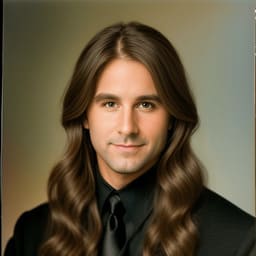
The undone, slightly grown-out fringe that never quite covers the eyebrows. One of the most popular wispy versions is explicitly inspired by Jane Birkin's soft bangs, and it suits straighter-to-wavy hair finished with a light dry texture spray. It's the least severe fringe you can get. Thin, feathered, deliberately imperfect. Good for anyone who wants a fringe that reads as an afterthought rather than a statement.

Arched fringe
A 1990s shape that's back. The arched fringe is returning in 2025, usually paired with a glossy finish or a centre-part hybrid rather than a fully blunt line. The curve is gentle, higher at the temples and lower in the middle, which softens a strong forehead and gives the whole face a rounded frame. Keep the ends textured so the arch looks intentional and not like a bowl cut.

Shag fringe
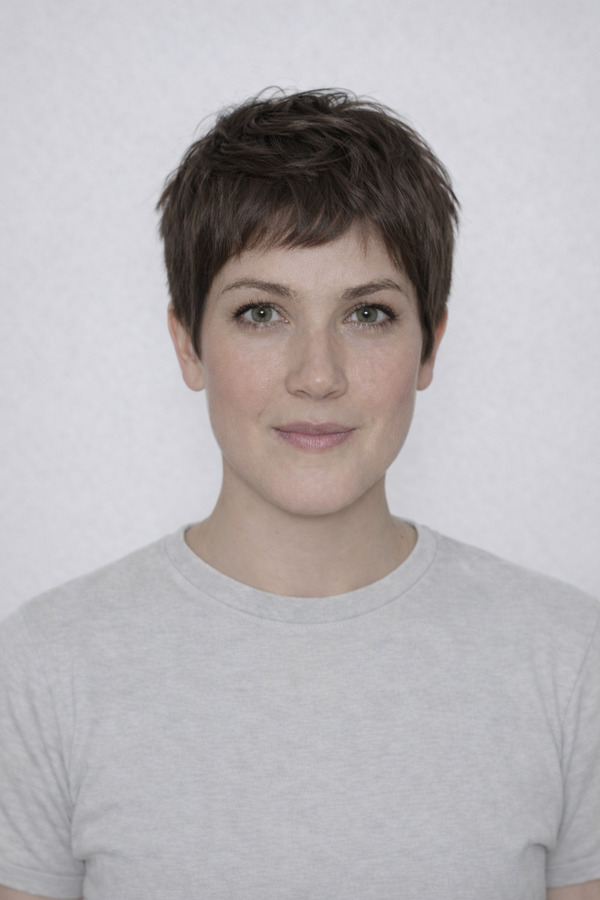
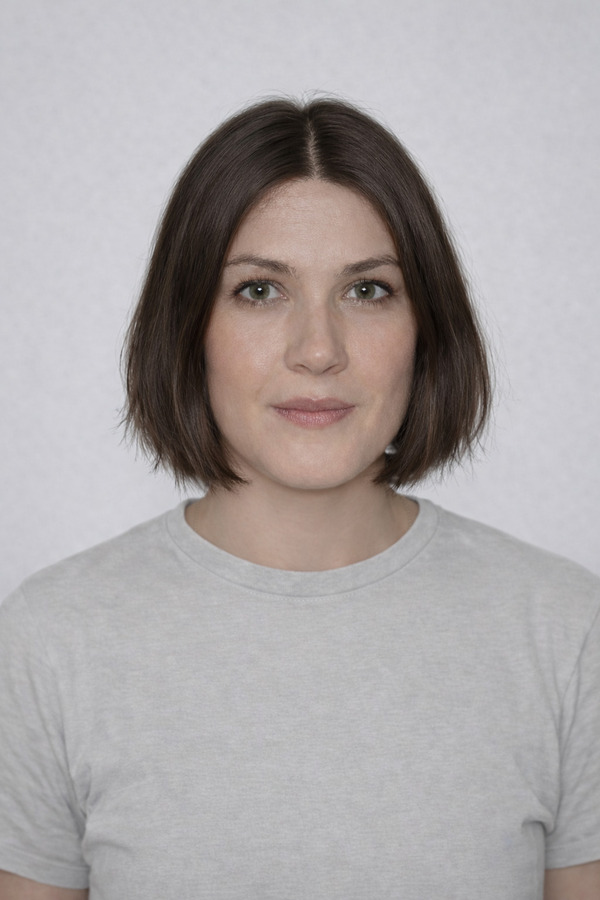
See any haircut on yourself
Upload one selfie and try on dozens of cuts and colours in seconds — before you commit at the salon.
Try a haircutThe shag is all texture, all the time. Choppy layers run from the fringe back through the crown, so the bangs never sit in isolation, they flow into the rest of the cut. This one rewards wavy and thick hair and looks best a little lived-in. If you hate the idea of styling, the shag hides regrowth better than almost anything because the whole cut is meant to look grown-out.
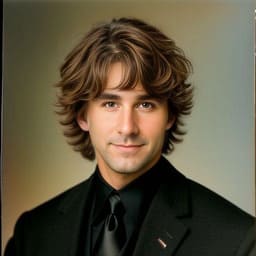
Micro fringe
The boldest option on the list. A micro fringe sits high, well above the brows, cut short and graphic. Texture keeps it from looking like a hard band across the forehead, breaking the line into separate pieces. It's the least forgiving choice, so it's not the one to test the waters with, but on the right oval or square face it looks sharp and modern.
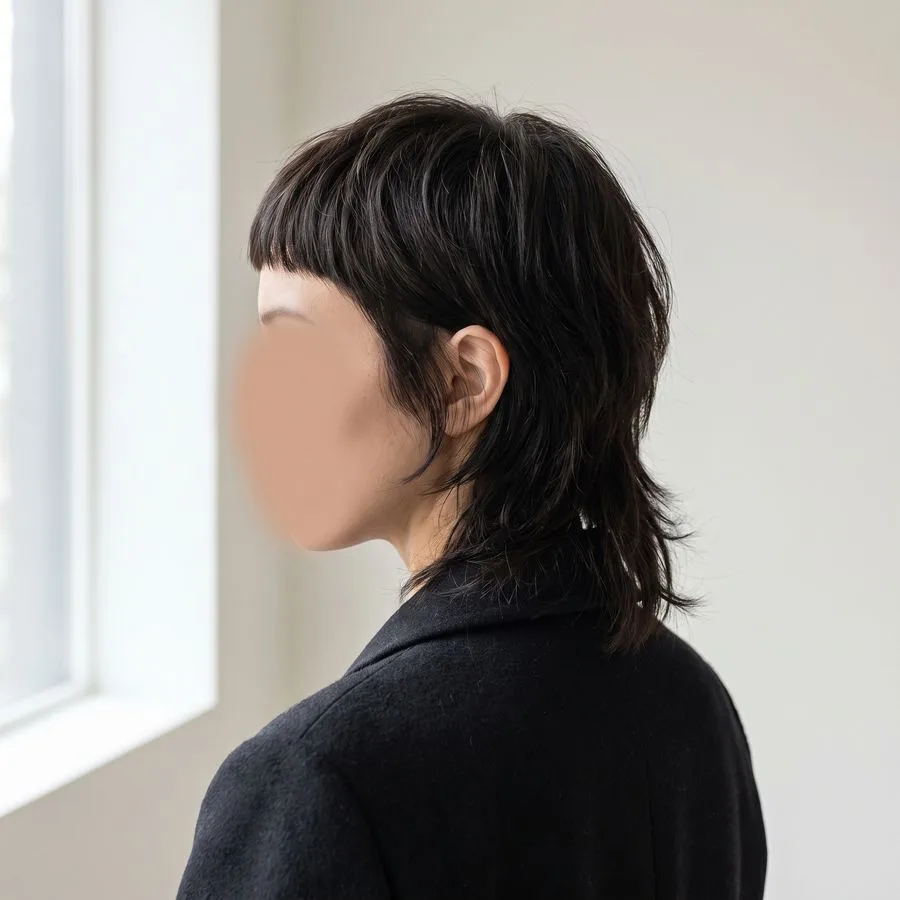
Skin-fade textured fringe
For shorter hair, this is the contrast play. The skin-fade version pairs a fade taken down to the skin on the sides with a longer, layered fringe left on top for maximum contrast. The tight sides throw all the attention to the textured piece up front. An undercut does the same job with a harder, disconnected line between top and sides if you want the contrast even more abrupt. Both keep upkeep on the sides simple while the fringe does the talking.
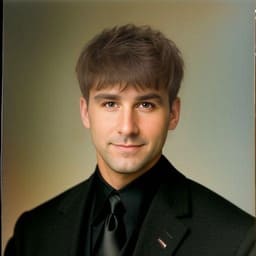
Textured Caesar cut
A short, forward-brushed fringe with a modern update. The textured Caesar is cut with choppy layering rather than a blocky heavy line, and it's most often recommended for square, oval, and receding-hairline face shapes, typically finished with matte paste or sea salt spray. It's a smart pick if your hairline is doing something you'd rather not advertise, since the forward fringe covers the front naturally.
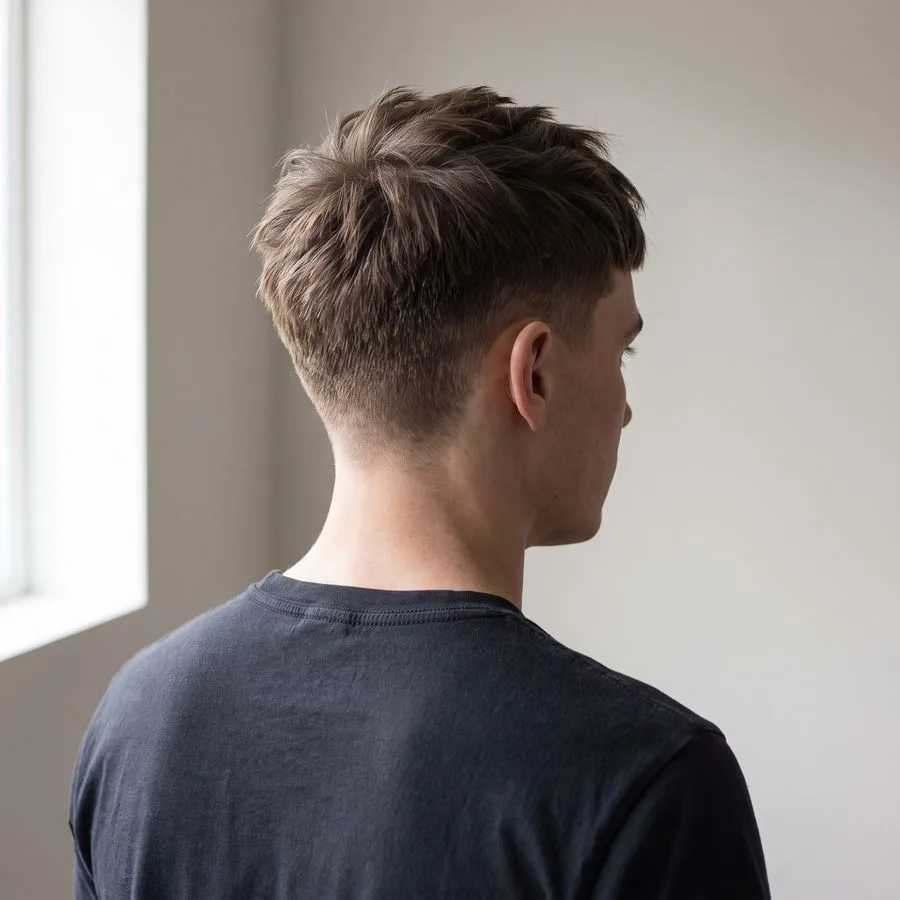
The styling routine that keeps it textured
A textured fringe lives and dies by how you finish it, and the good news is the routine is short. Towel-dry your hair, work a small amount of product into the damp strands, then push the fringe forward or to the side with your fingers rather than a comb. Fingers preserve the separation. A comb flattens everything into the single blunt line you were trying to avoid.
Product choice depends on your hair and the finish you want:
Matte clay or paste: best for short, forward styles like the Caesar and skin fade. It holds the pieces apart with no shine and no crunch.
Sea salt spray: builds grit and movement in medium-length or wavy fringes without weighing them down. Spray on damp hair and scrunch.
Dry texture spray: the finishing touch and the daytime fix, best on straighter, softer styles like Birkin bangs.
That last product solves the complaint everyone has about fringes: they go flat halfway through the day. Dry texture spray applied to dry strands rebuilds lift and separation between washes, so you can refresh in ten seconds without wetting anything down and starting over. Keep a can in your bag. It's the difference between a fringe that looks styled at 9am and one that still looks styled at 4pm.
How often it needs a trim
This is the part people underestimate. A fringe grows into your eyeline fast, and once it passes the length it was cut for, the shape collapses. Stylists recommend trimming a fringe every 3 to 4 weeks to keep the line clean and stop it overgrowing. That's more often than the rest of your head needs, which is worth factoring into the decision before you commit.
The textured cuts are kinder here. Because the shape is built on choppy, uneven ends rather than a precise line, a shag or a wispy Birkin fringe drifts through the awkward grow-out stage far more gracefully than a blunt or micro fringe, which needs that crisp edge to make sense. If you know you won't get to a chair every month, pick a style that's designed to look good imperfect.
Try it before you cut it
No amount of reading tells you how a fringe sits on your actual face. Foreheads, hairlines and the way your hair falls are all personal, and the honest answer to "will this suit me" is that you have to see it. That's the whole point of trying these cuts virtually first: you can put a curtain bang, a micro fringe or a Caesar on your own photo and see which one reads right before anyone touches your hair.
Do that with the styles above and you'll narrow seven options down to one or two worth showing a stylist. Start soft if you're unsure, keep a texture spray handy for the flat-hair hours, and book that trim before the shape grows out. A textured fringe is one of the few big haircuts that stays easy once it's in, as long as you choose it on purpose.